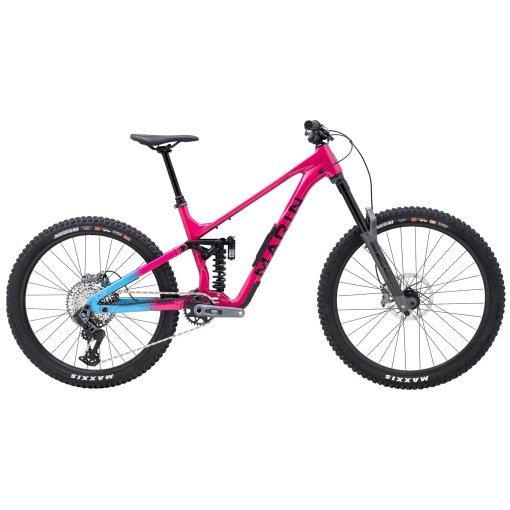
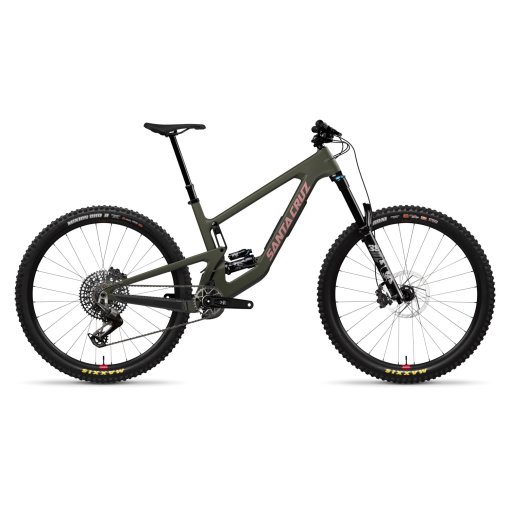
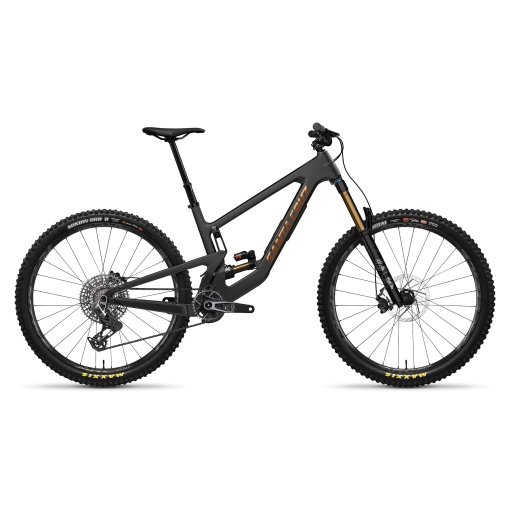
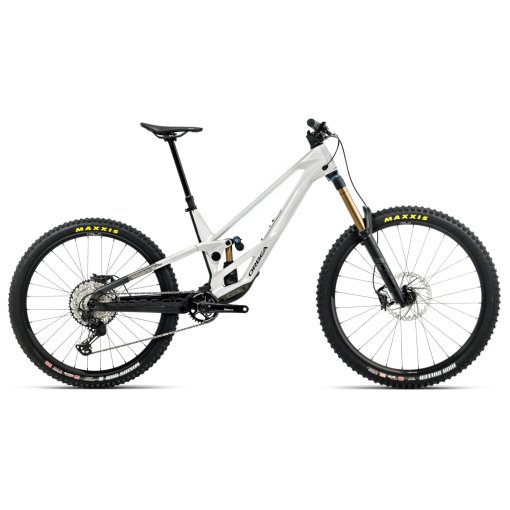
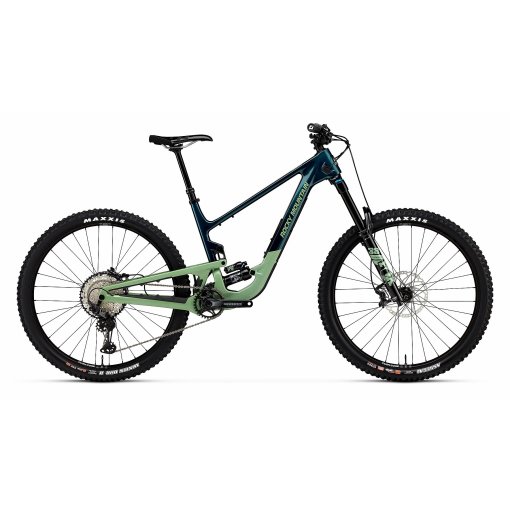
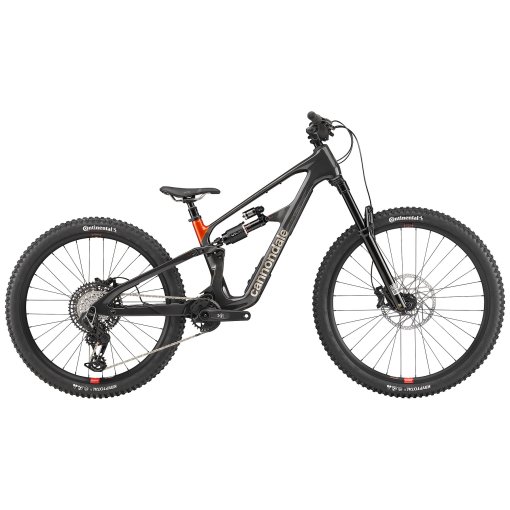
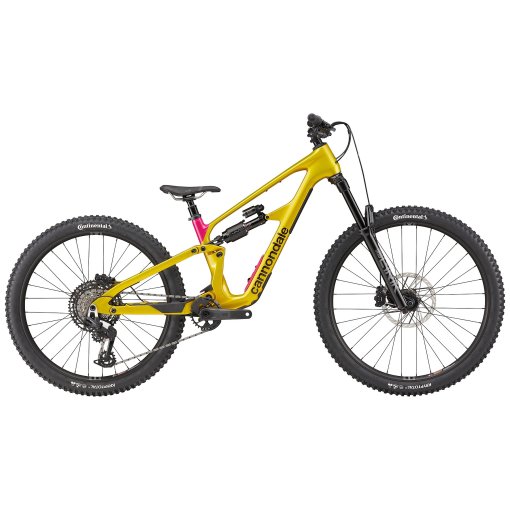
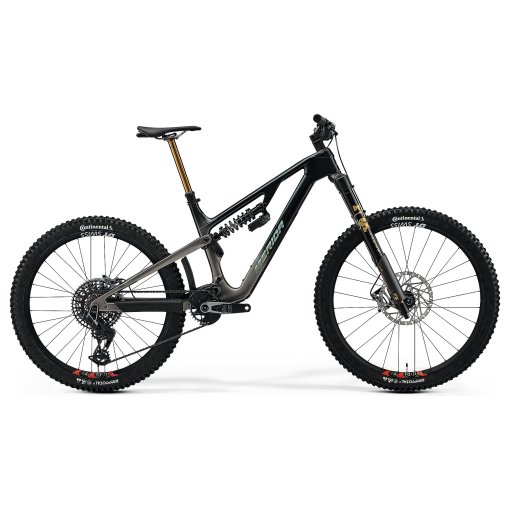
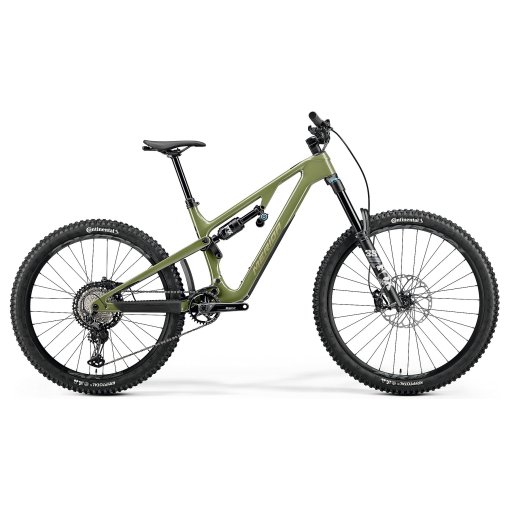
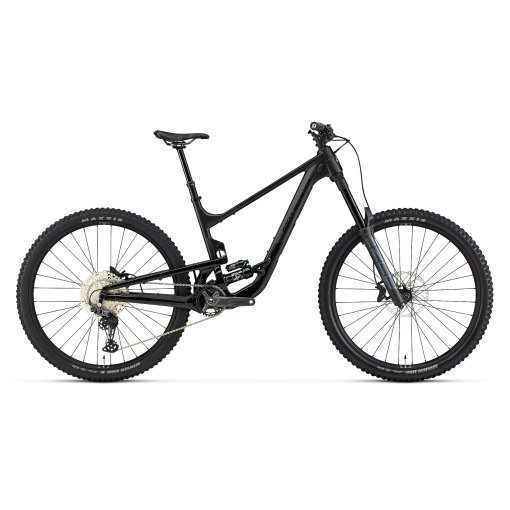
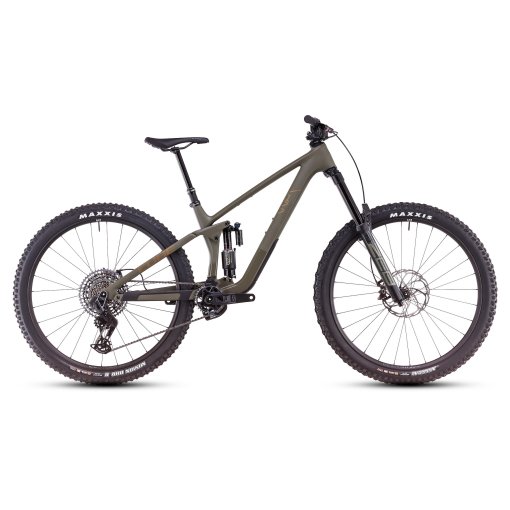
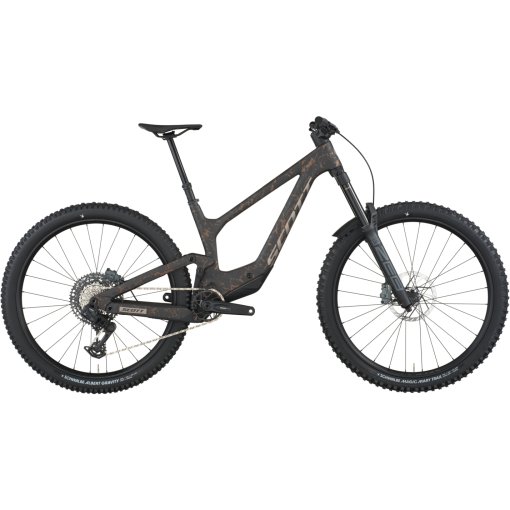
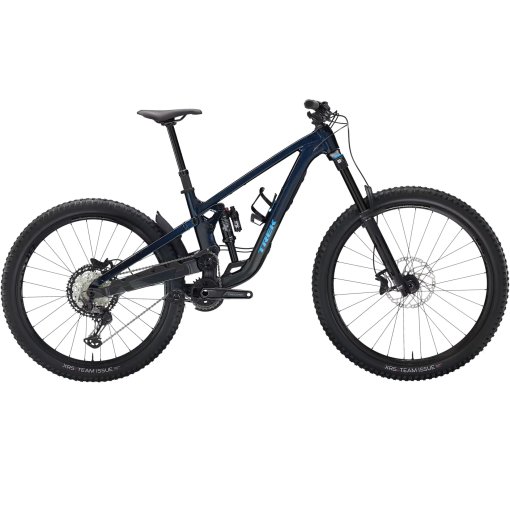
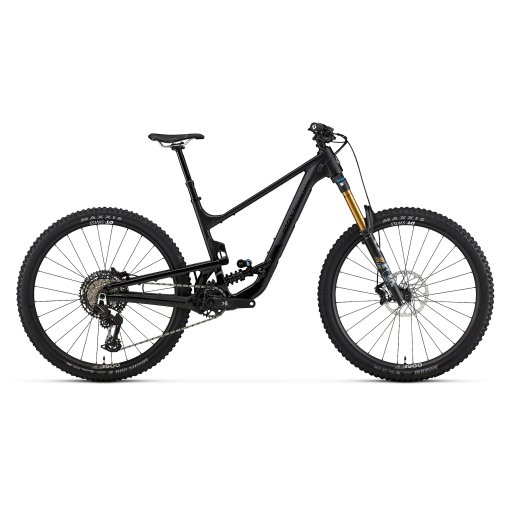
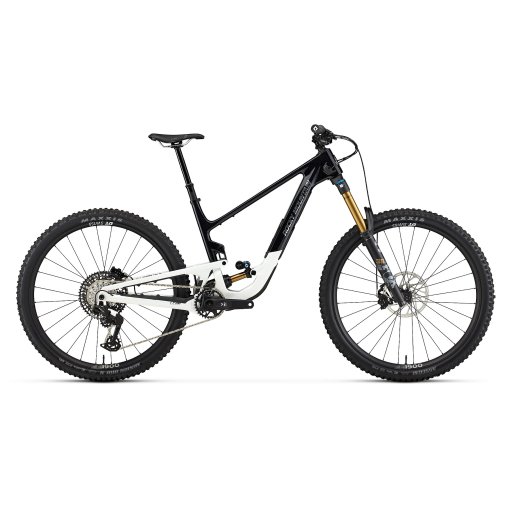
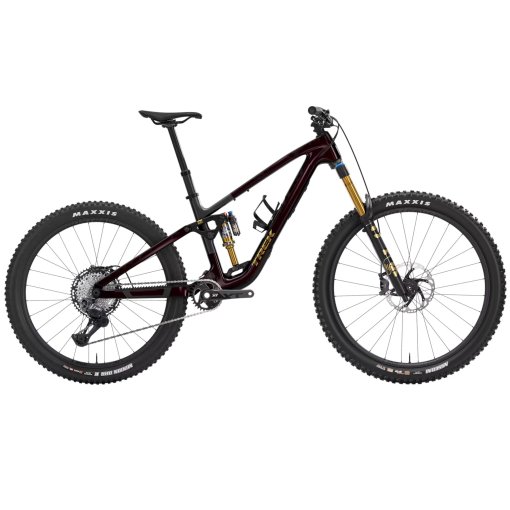
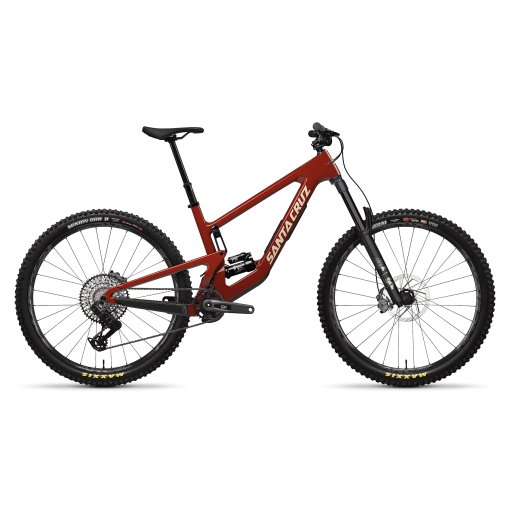
Enduro bikes

Popularity

Shop enduro bikes at BIKE24

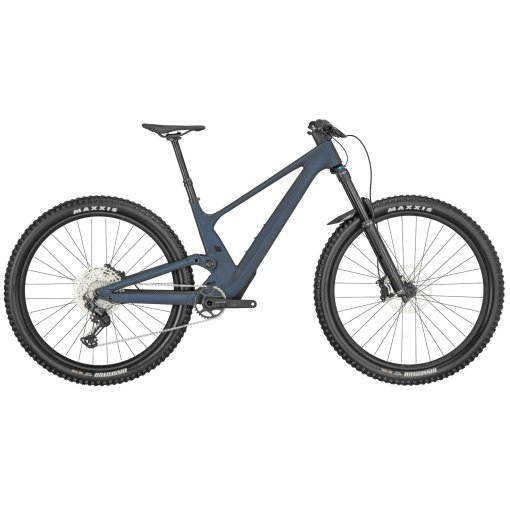
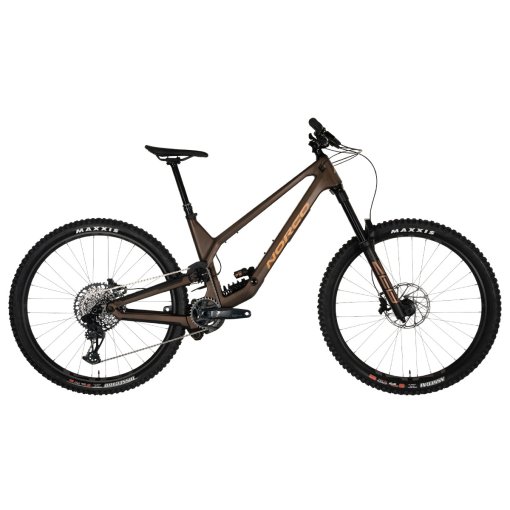
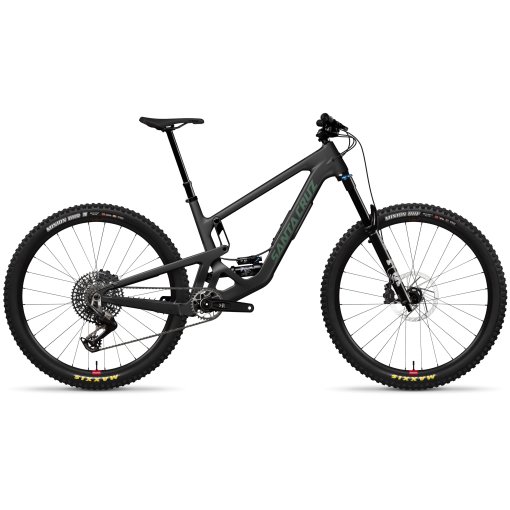
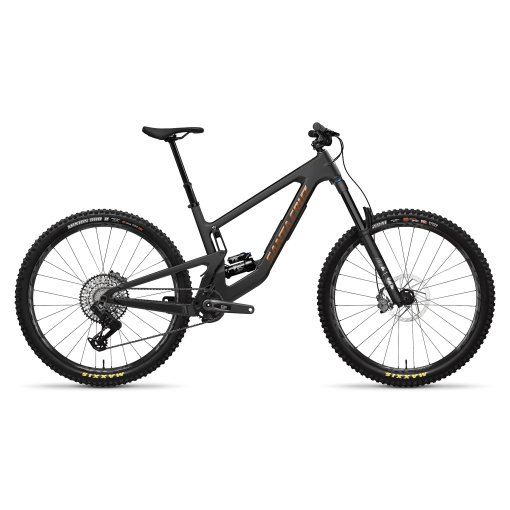
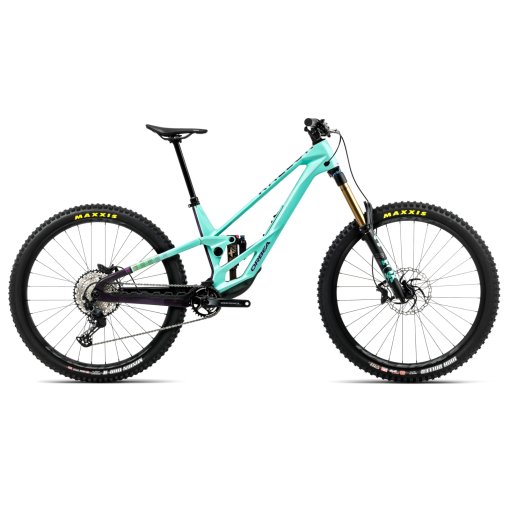
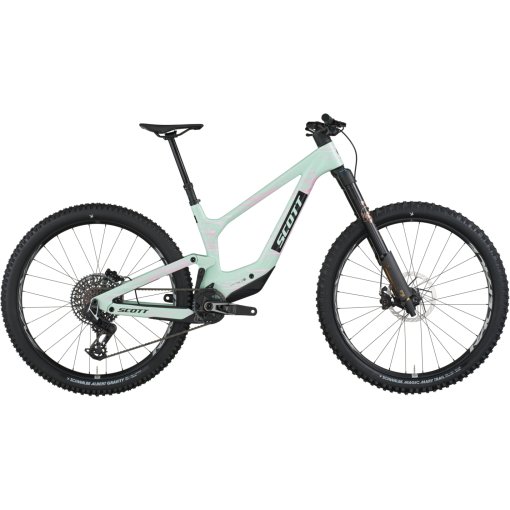
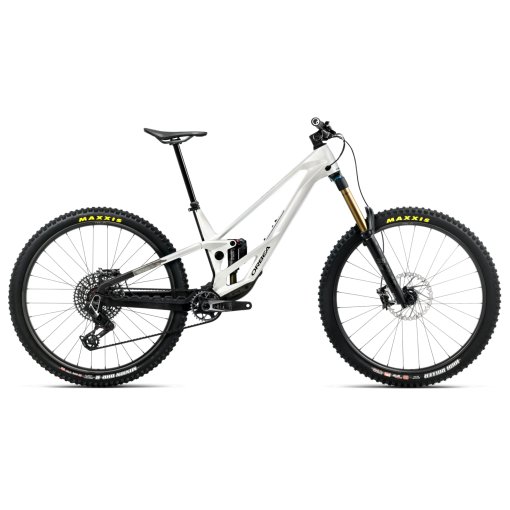
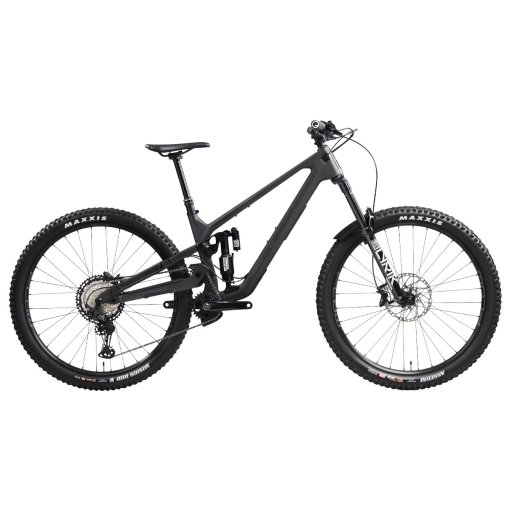
Steep drops, rooty descents, and long climbs to the next trailhead - enduro bikes are built for exactly this mix of technical downhills and demanding climbs. They climb far more efficiently than you’d expect. And when the terrain gets rough, they come close to the downhill performance of a dedicated freeride bike. With 150 to 180 mm of travel, a slack head angle, and a long wheelbase, enduro MTBs deliver significantly more stability on steep terrain than trail bikes. At the same time, modern geometry and efficient rear suspension kinematics keep climbing smooth and efficient. Explore full-suspension enduro bikes from top brands like Scott, Santa Cruz, Orbea, and Rocky Mountain - from versatile all-round models and lightweight race builds to powerful enduro e-MTBs.

Why choose an enduro bike

If you want to earn your descents without giving up technical downhill performance, an enduro mountain bike is the right choice.

  • Downhill performance without a shuttle: Travel and braking power at freeride level, with a weight that still lets you climb.
  • Control in technical terrain: Slack head angles and wide tires keep you in control when it gets steep and rough.
  • From home trails to the Alps: One of the most versatile MTB categories for riders who prefer to pedal to the top.

Enduro bikes at a glance

Not every enduro bike rides the same. Travel and geometry determine whether it feels like a versatile all-rounder or a descent-focused race machine. Less travel keeps the bike lighter and more agile - ideal if you enjoy climbing as much as descending. More travel gives you extra margin when things get steep and fast, but adds some weight. The better you know where and how you ride, the easier it is to choose the right setup.

Enduro all-round

With 150 to 160 mm of travel, these bikes strike the best balance between climbing ability and downhill performance. Models like the Trek Slash represent this category. They handle long tours just as well as local trails - and thanks to balanced geometry, stay comfortable even on full days in the saddle.

Enduro race

If you don’t want to compromise on descents, go for a race enduro. 170 to 180 mm of travel, a long reach, and a slack head angle keep the bike stable at high speeds, while a steep seat angle helps you pedal efficiently to the next stage. Precisely tuned suspension and stiff frames absorb hard hits with control. Bikes like the Santa Cruz Megatower or Rocky Mountain Altitude are strong examples of this category.

Enduro e-MTB

Motor support meets enduro suspension: enduro e-bikes let you cover significantly more vertical meters and descents in a single day. On long tours or in alpine terrain with frequent transfers, you’ll stay fresher - and more focused when it’s time to descend.


Choosing your enduro MTB

Whether you’re planning alpine tours with long transfers or a bike park weekend with lift access, your riding style determines which enduro bike fits best. Travel, frame material, and brakes form the foundation. Wheel size and drivetrain complete the setup. These factors help you narrow down the right bike for your terrain and riding style.


How much travel do I need?

150 to 160 mm works well for technical tours and home trails. 170 to 180 mm gives you noticeably more support on steep descents and in the bike park. Your body weight also plays a role: under 85 kg, around 160 mm often feels more agile; heavier riders or a more aggressive style benefit from 180 mm and forks with 38 mm stanchions. Some models include platform settings or climb damping to keep your pedaling efficient on climbs.

Carbon or aluminum?

Aluminum frames are durable, more affordable, and form the base of many enduro bicycles around €3,000. Carbon frames save weight and allow more advanced, stiffer frame designs - typically starting around €4,000. Top models often weigh around 14 to 16 kg. If you’re on a tighter budget, an aluminum frame with higher-quality components can be the smarter choice over entry-level carbon. You can filter by frame material to narrow down your options. If you’re aiming for a top model, we also offer attractive financing options (within Germany only) to make it easier.

Which wheel size is right for me?

29-inch wheels offer stability and roll smoothly over obstacles - the first choice if you like riding fast through rowdy terrain. If you prefer more playful handling, 27.5-inch wheels are the better option. Mullet setups combine both: 29-inch up front for rollover and 27.5-inch in the rear for agility and clearance. You can filter by your preferred wheel size in our shop.

Do I need an electronic drivetrain?

1x12 drivetrains with a wide gear range are standard. Shimano XT or SRAM Transmission (T-Type) deliver maximum performance. A bashguard helps protect your chainring from rock strikes - a real advantage in technical terrain. Electronic systems like Di2 or AXS provide fast, precise shifting. You can filter by your preferred drivetrain type in our shop.

How much dropper post travel?

A dropper post with a remote lever is essential on an enduro bike. Lowering the saddle gives you the freedom of movement you need on technical trails and steep descents. Depending on frame size, 170 to 210 mm of travel is common. Make sure the frame has a short seat tube so you can use the full range.


Discover enduro bikes at BIKE24

The stages are set, the crew is ready, and conditions are on your side - now all you need is the right bike. With enduro MTB bikes from Scott, Santa Cruz, Orbea, Rocky Mountain, and more, you can choose from all-rounders to race-focused setups. Use our filters to narrow things down by travel, frame material, and wheel size, and find the right model quickly. Our frame size finder helps you choose the right size with confidence. With fast shipping, careful pre-assembly, and optional video consultation, your new enduro MTB arrives ready to ride.

Find your new enduro bike at BIKE24 and complete your setup with MTB helmets, body armor, and MTB shoes.