Bike Brakes

Popularity

Shop bike brakes at BIKE24

Whether you’re braking hard into the final sprint on your road bike, lining up the next berm in the bike park, or rolling safely through city traffic on your daily commute, your bike brakes determine how much control and confidence you have on the bike. A well-modulated front brake and a reliable rear brake give you the confidence to ride faster and brake later. At BIKE24, you’ll find bike brakes for every discipline - from hydraulic disc brakes with 2- or 4-piston calipers to classic rim brakes. We also carry brake pads, brake fluid, and bleed kits for servicing your brakes at home.

Why the right bike brakes matter

Steep descents, wet roads, busy traffic - the right bike brakes give you control and confidence in every situation.

  • Precise modulation: Slow down smoothly instead of locking up your wheels, giving you full control.
  • Reliable braking power: Consistent performance in wet conditions, on long descents, and under heavy braking loads.
  • Easy maintenance: Replace pads, rotors, and brake fluid yourself with the right tools and service kits.

Types of bike brakes

The right braking system depends on how and where you ride, as well as the type of bike you have. Disc brakes now dominate across most categories – from mountain bikes and road bikes to gravel bikes and e-bikes. They deliver powerful, consistent braking and perform reliably in all weather conditions. Rim brakes remain common on older bikes and many kids’ bikes. Both systems are available with hydraulic or mechanical braking, though hydraulic brakes typically deliver stronger braking with less hand force. Alongside complete brake systems, you’ll also find replacement parts such as brake pads and service products like bleed kits.

Disc brakes

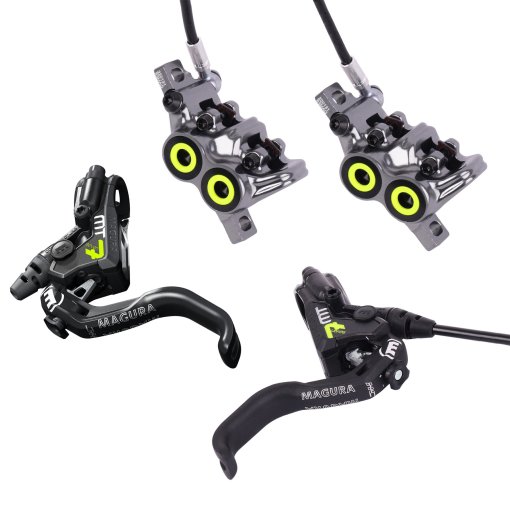
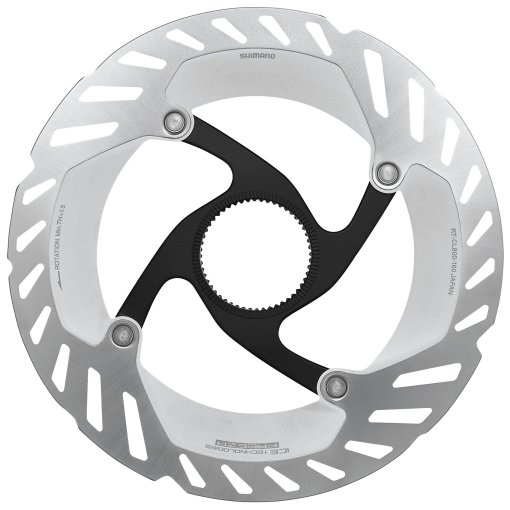
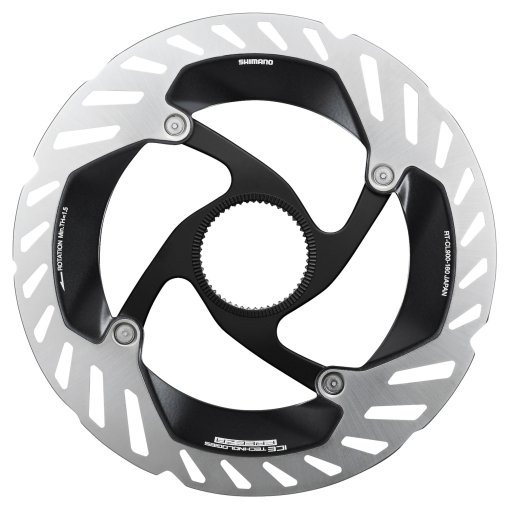
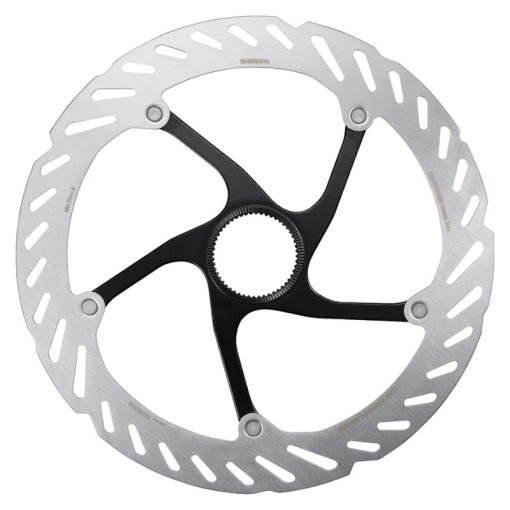
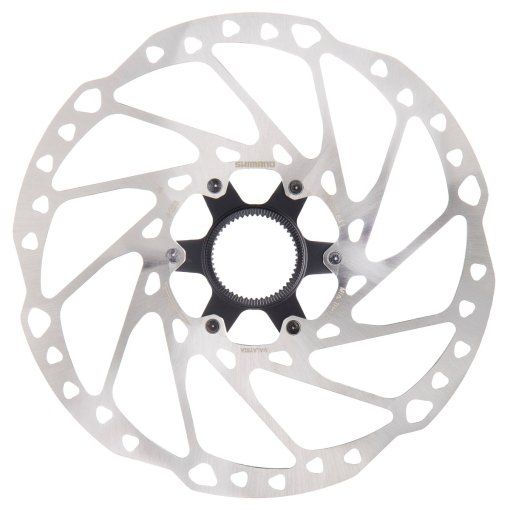
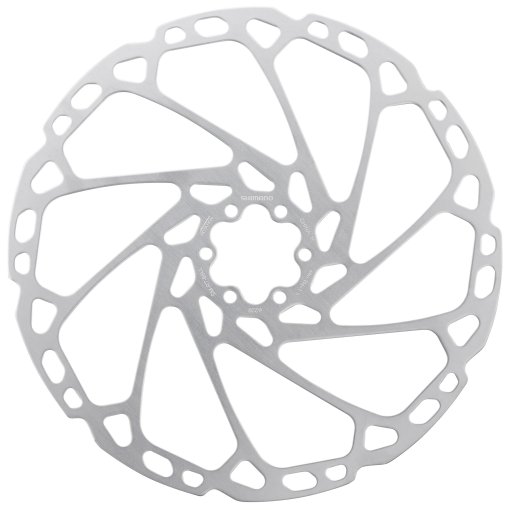
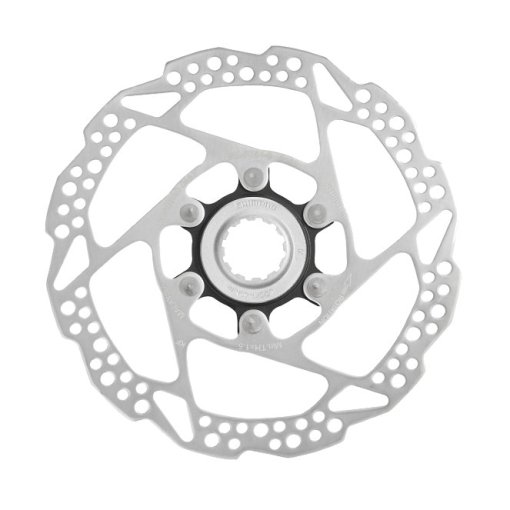
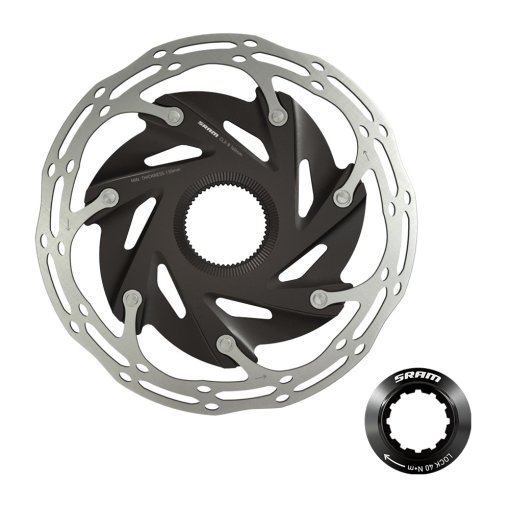
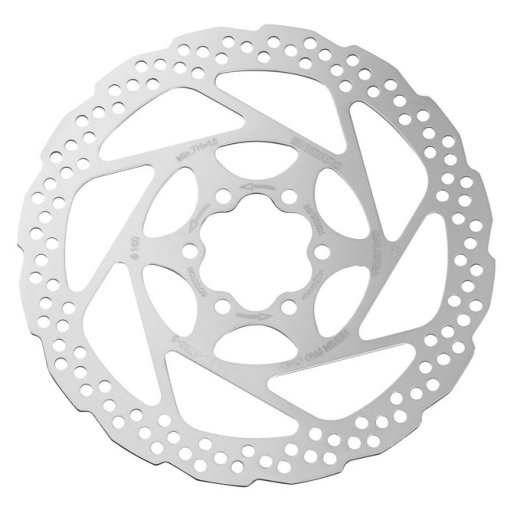
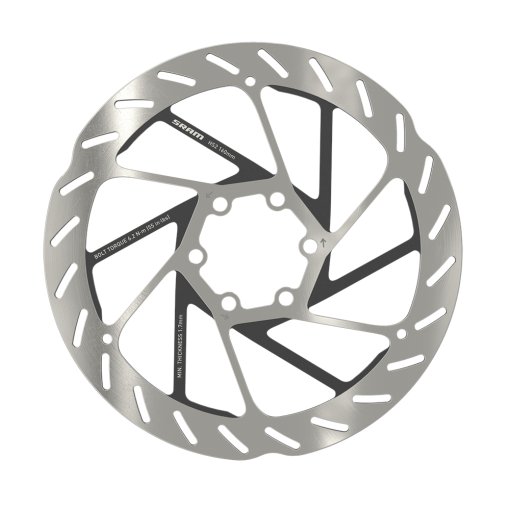
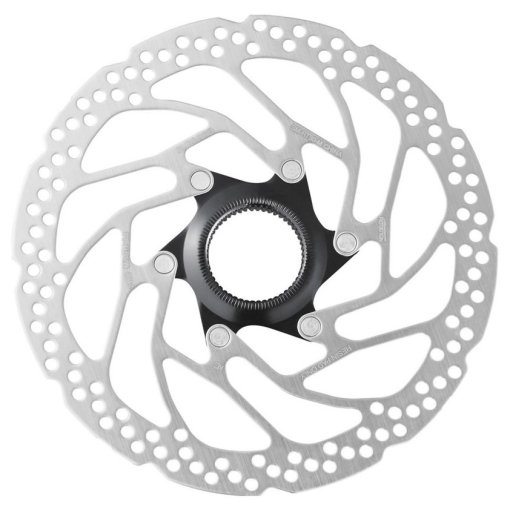
Disc brakes are standard on most modern performance bikes. They deliver powerful, consistent braking, perform reliably in all weather conditions, and prevent wear on the rim. MTBs commonly use 4-piston calipers for maximum braking power and improved heat management. Road and gravel bikes typically run lighter 2-piston systems. Road and gravel bikes usually feature Flatmount calipers with Centerlock rotors, while MTBs typically use Postmount calipers with 6-bolt rotors.

Rim brakes

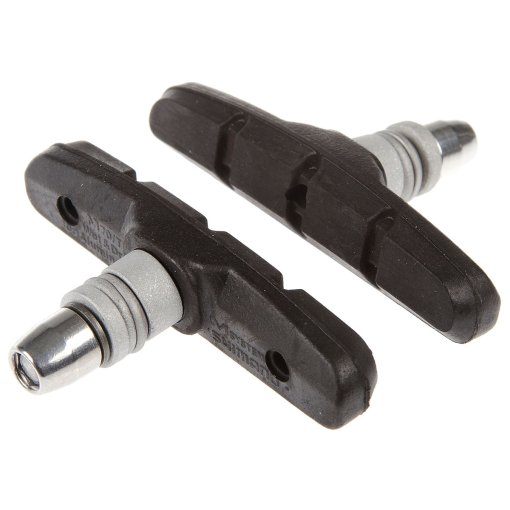
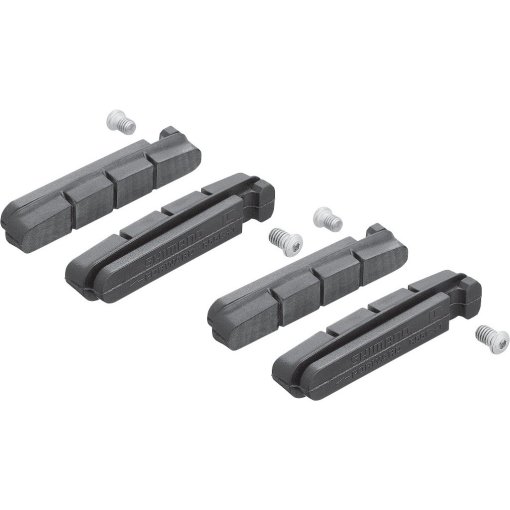
Rim brakes press brake pads directly against the rim sidewall and were long the standard on road and trekking bikes. Today, they’re mostly found on kids’ bikes and many city bikes, though they remain essential for older bikes and classic builds such as retro road bikes. V-brakes are simple to maintain and offer reliable stopping power, while side-pull calipers define the classic road bike look. If your bike uses rim brakes, you’ll find a wide selection of replacement pads and spare parts in our shop.

Brake pads for disc and rim brakes

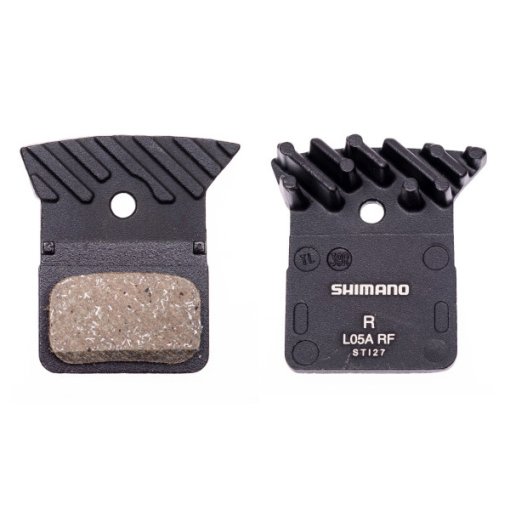
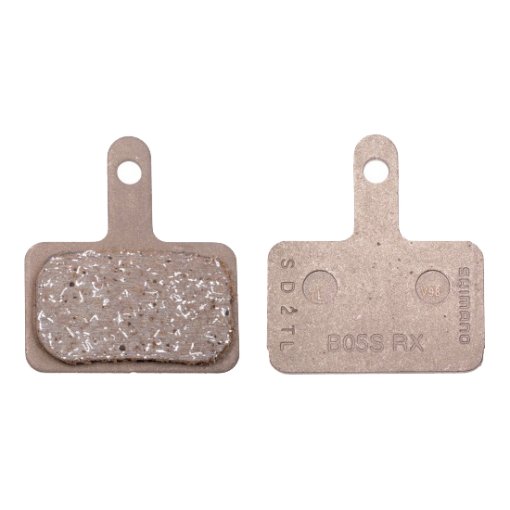
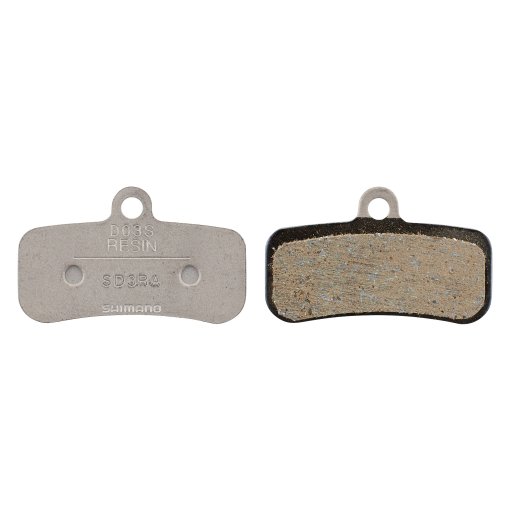
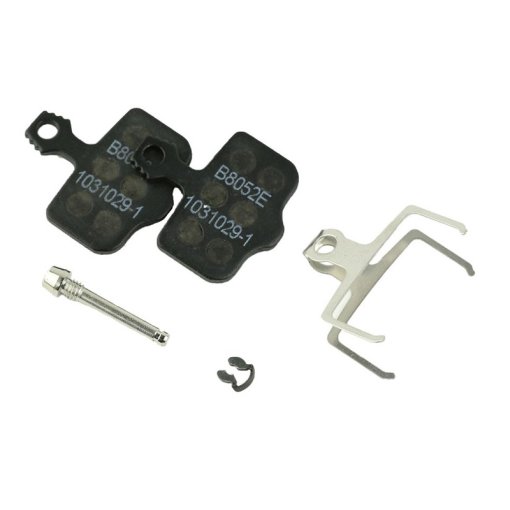
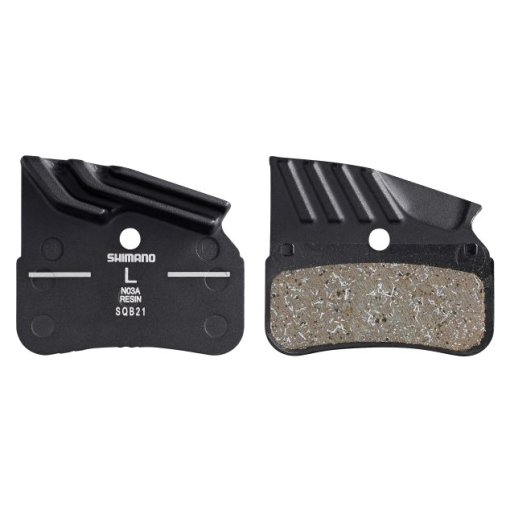
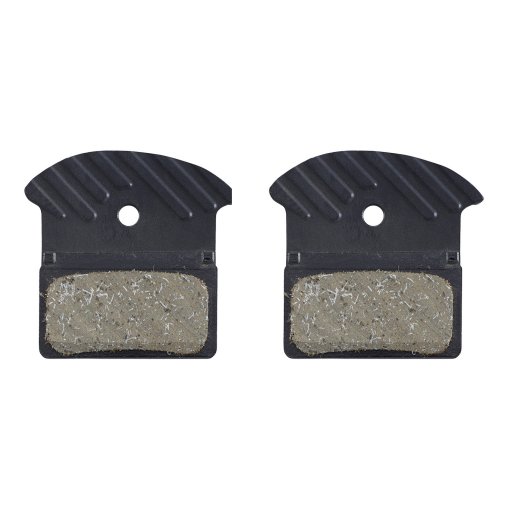
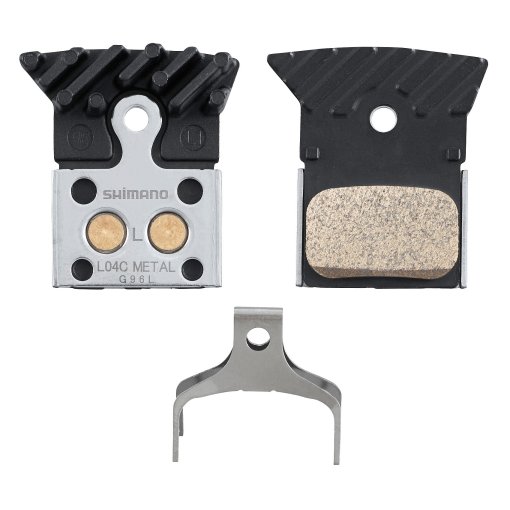
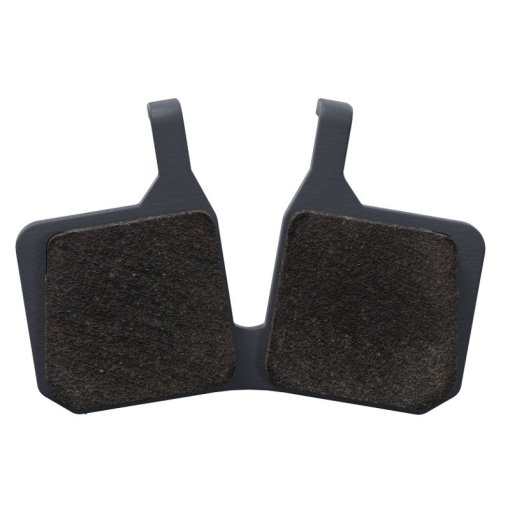
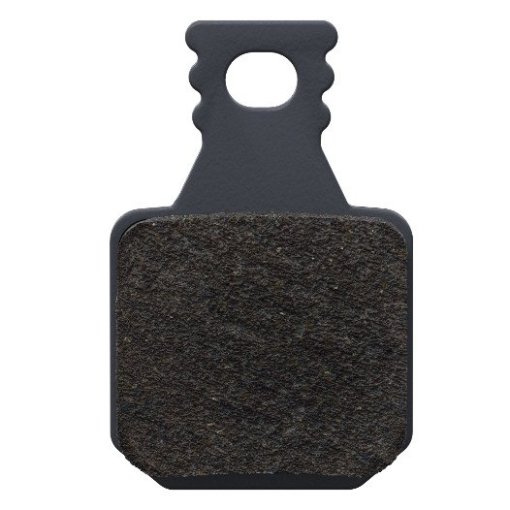
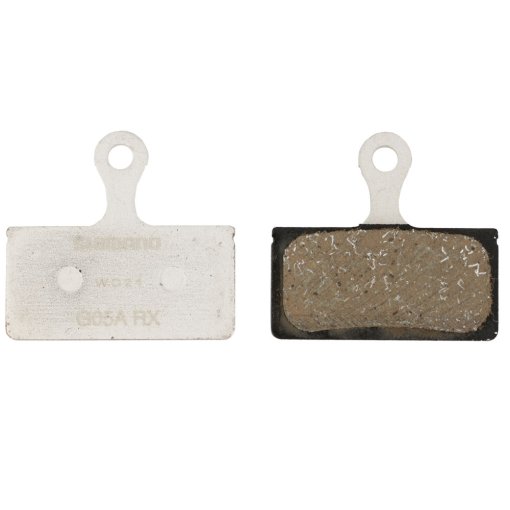
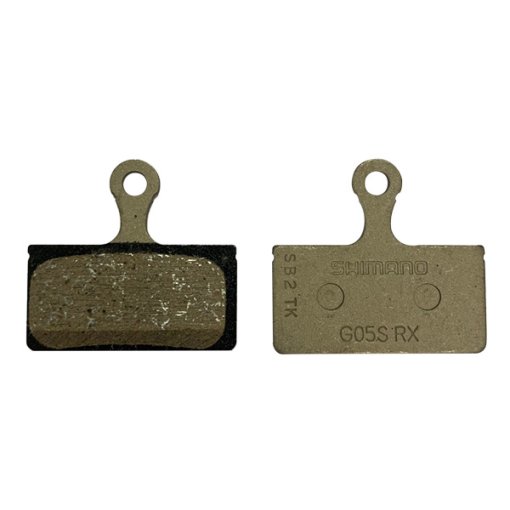
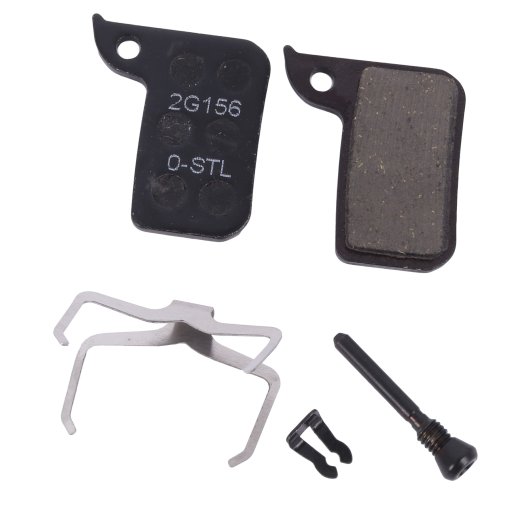
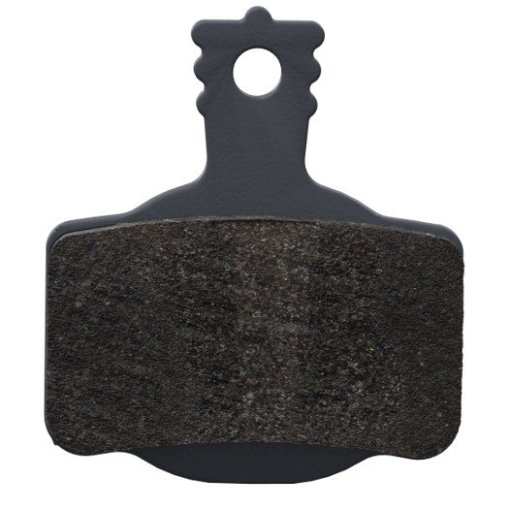
Brake pads are the main wear component of any braking system and need to be replaced regularly to maintain safe, reliable braking performance. For disc brakes pads, you can choose between organic pads for smoother modulation and quieter braking, or sintered pads for maximum braking power and better heat resistance on long descents. Rim brake pads are available for aluminum, carbon, and ceramic rims, as well as for different riding conditions and weather.

How to choose the right bike brakes

The best brake setup largely depends on how and where you ride. If you ride steep MTB trails, you’ll want maximum braking power and control – typically a 4-piston disc brake with large rotors. On a road bike, low weight and precise modulation matter most. Lightweight 2-piston systems provide strong braking performance while keeping weight down. And if you simply need reliable braking for commuting or everyday rides, you don’t need high-end race technology. A solid, low-maintenance braking system that performs consistently in all weather conditions is often the best choice.


Disc brake or rim brake?

Disc brakes offer stronger braking power, perform better in wet conditions, and don’t wear down the rim.
Rim brakes are lighter, more affordable, and easier to maintain. Your frame and fork mounts determine which system you can use. Postmount is common on MTBs, while Flatmount is typical on road and gravel bikes. If your frame doesn’t support disc brakes, rim brakes are the only option.

Hydraulic or mechanical?

Hydraulic brakes transmit braking force through mineral oil or DOT fluid, delivering strong braking power, excellent modulation, and automatic pad adjustment. Mechanical brakes use a cable system. They’re simple, easy to service, and can be repaired on the road, but they provide slightly less braking power due to cable friction and require occasional manual adjustment.

Which brakes are used on road bikes?

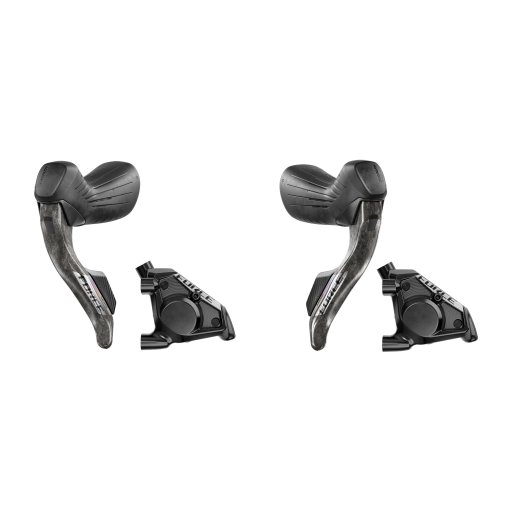
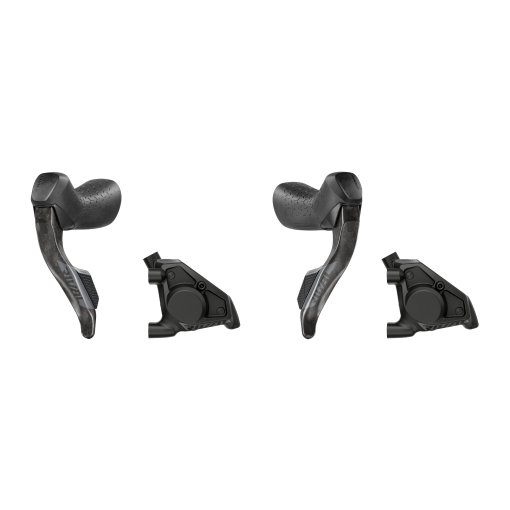
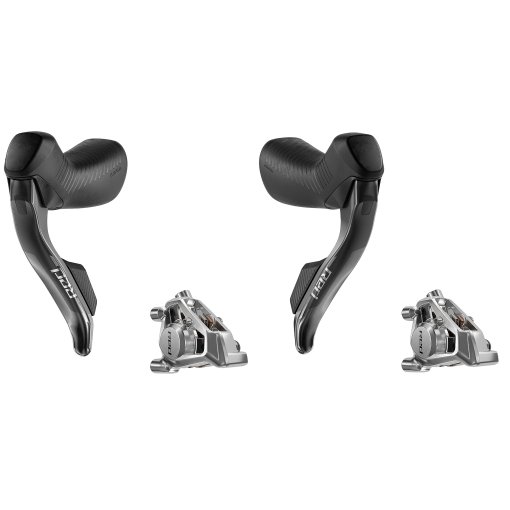
Modern road bikes typically use hydraulic disc brakes with 2-piston calipers and Flatmount mounts. Rotor sizes are usually 160 mm front and 140 mm or 160 mm rear, with the hydraulic system integrated into the brake-shift levers.

Which brakes are used on mountain bikes?

Trail and enduro bikes typically use powerful 4-piston disc brakes, while 2-piston systems are common on lightweight cross-country bikes. Rotor sizes usually range from 160 mm on XC bikes up to 203 mm or 220 mm on downhill bikes. Increasing rotor size or switching to sintered pads can improve braking power and heat resistance. However, sintered pads are often louder and can cause slightly more rotor wear.

Shop bike brakes at BIKE24

Whether you’re looking for a complete brake set, replacement pads, or a bleed kit for your next service, you’ll find a huge selection of bike brakes and accessories from Shimano, SRAM, Magura, Campagnolo, and other top brands. Thanks to fast shipping, your new braking setup will be ready for your next ride in no time. Need help choosing the right option? Our customer service team is happy to help you find the right components.

You’ll also find brake rotors and brake cables in our shop, along with helpful guides on adjusting rim brakes, adjusting disc brakes, upgrading to disc brakes, or bedding in new brake pads properly.