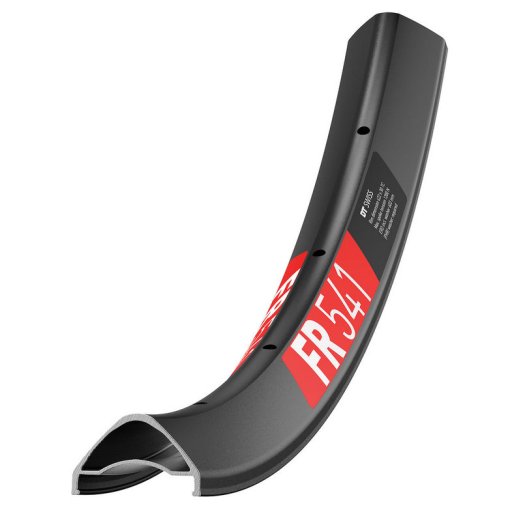
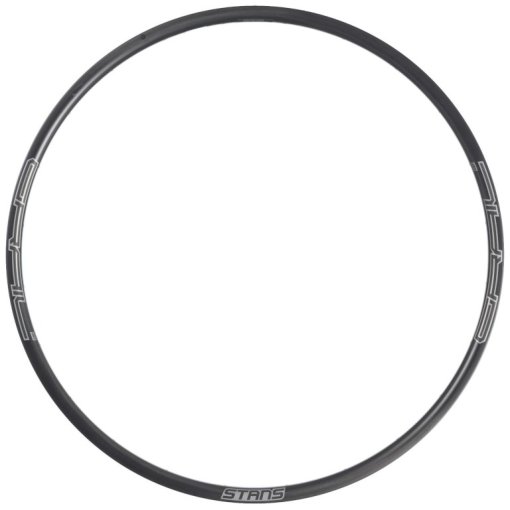
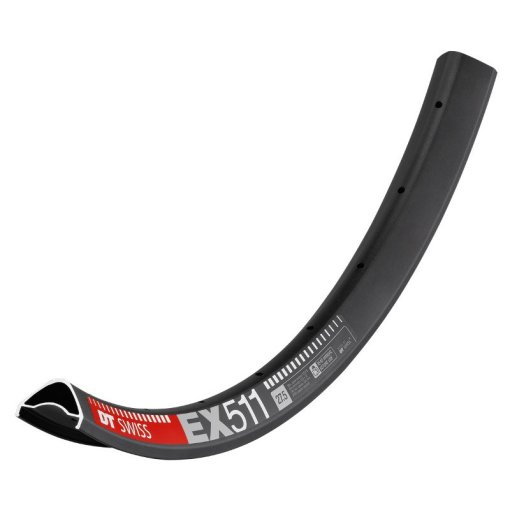
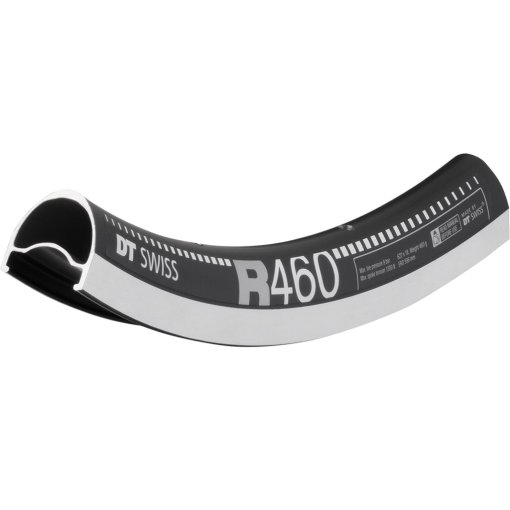
Bike Rims

Popularity

Find the right bike rim at BIKE24

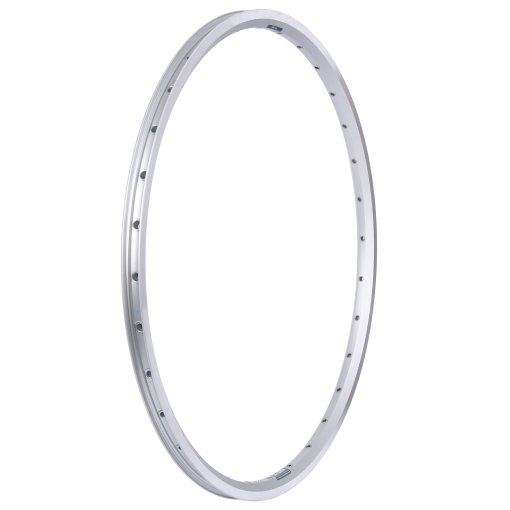
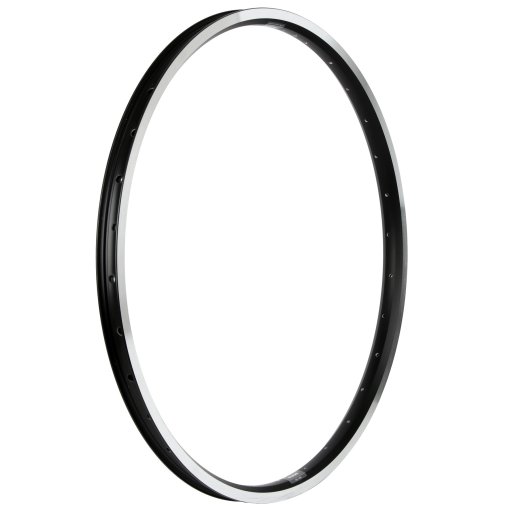
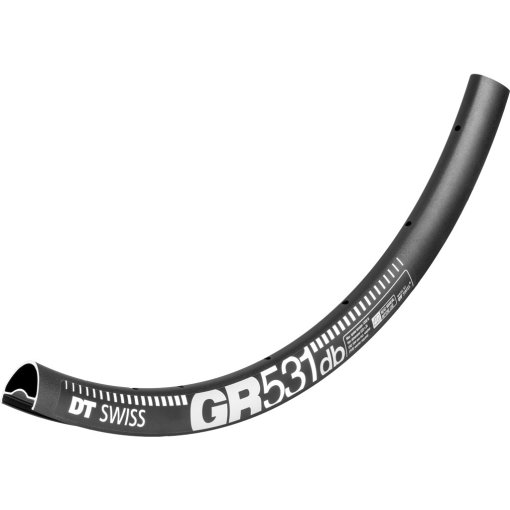
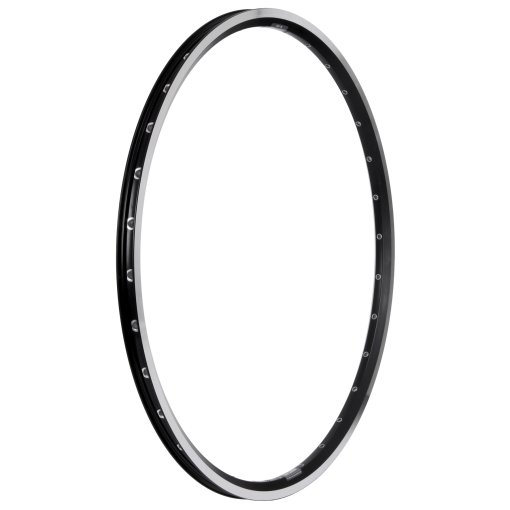
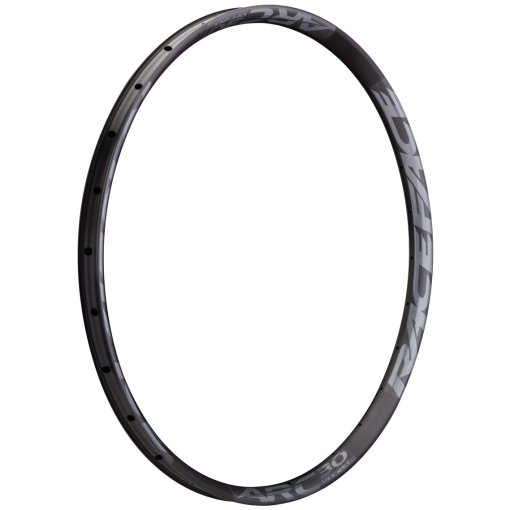
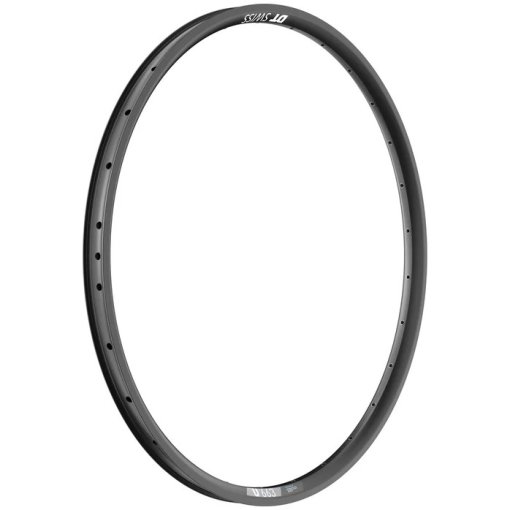
The right rim determines which tires you can run, how your wheel accelerates, and how it handles on the road or trail. Internal width, rim depth, and material all influence performance, durability, and ride feel. Whether you're building a lightweight road wheel, upgrading your MTB setup for wider tires, or looking for a versatile gravel rim, you'll find aluminum and carbon bike rims at BIKE24 – in all common sizes and for both disc and rim brakes.

Why upgrading your rim makes a difference

Building a new wheelset or replacing a worn rim? Choosing the right rim is where it starts.

  • Optimized rolling performance: The right internal width supports the tire properly, reducing rolling resistance and improving grip.
  • Weight and acceleration: Lighter rims spin up faster, whether you’re climbing or sprinting.
  • Stability and durability: Premium materials and careful wheelbuilding deliver long-term strength and reliability.

Bike rims for road, MTB, gravel, and more

Road, MTB, and gravel riding all place different demands on a rim. Road riders often choose lightweight or deeper rims for speed and efficiency. MTB rims are wider and built to handle impacts and rough terrain. Gravel rims balance both – stable on dirt but still fast on pavement. Material, brake type, and tire compatibility also affect how your wheel performs. The categories below help you choose the right rim for your setup.

Road bike rims

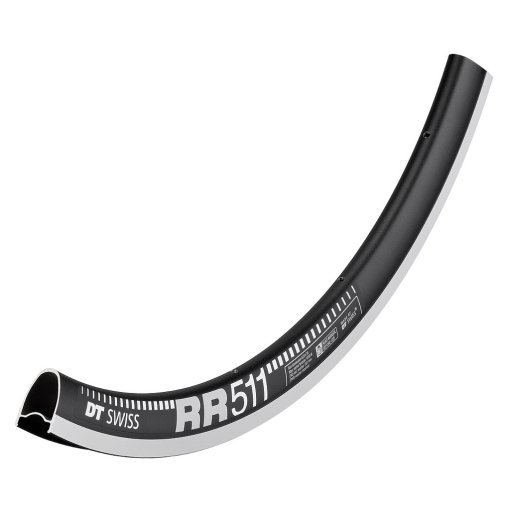
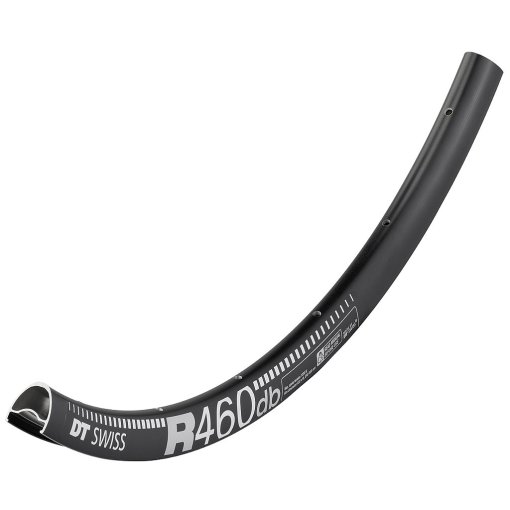
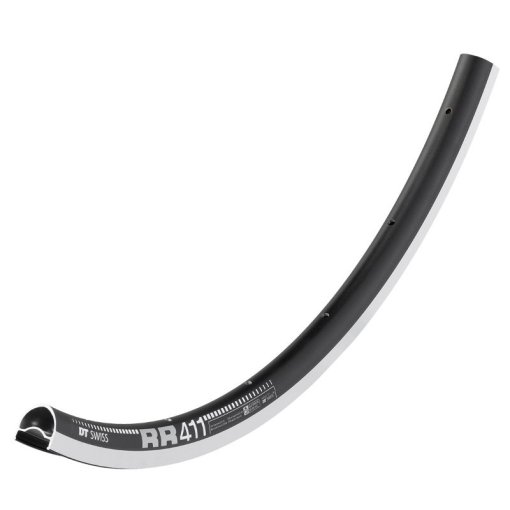
Road bike rims typically use a 700C (28 inch) diameter and internal widths of 19 to 23 mm, which work well with 28 to 30 mm tires. This combination improves aerodynamics, comfort, and cornering stability. Deeper rims from 40 mm and up help reduce drag on fast, flat roads, while shallower rims are often preferred for climbing. Carbon rims are common for performance road setups thanks to their stiffness, low weight, and aerodynamic shapes. Aluminum rims remain a durable and affordable option for training and everyday riding.

MTB rims

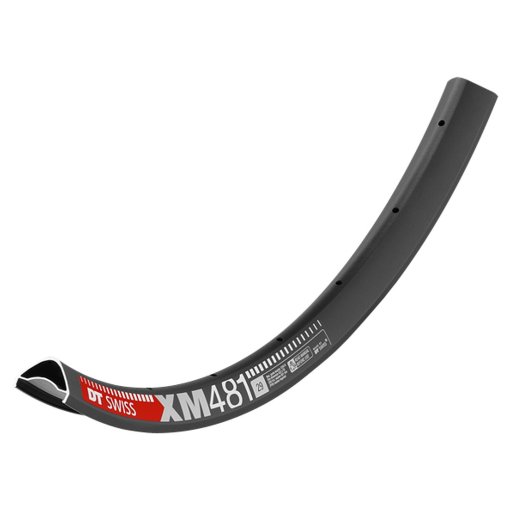
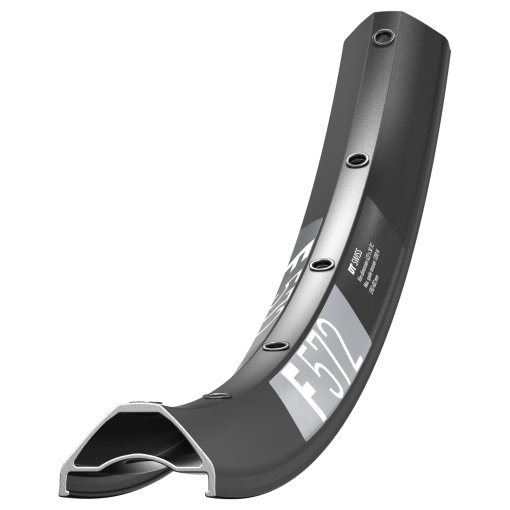
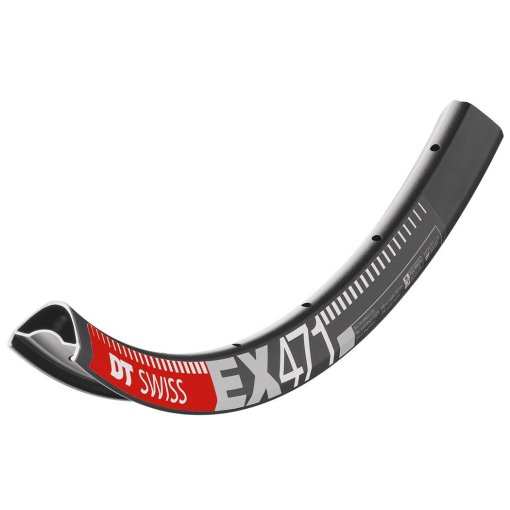
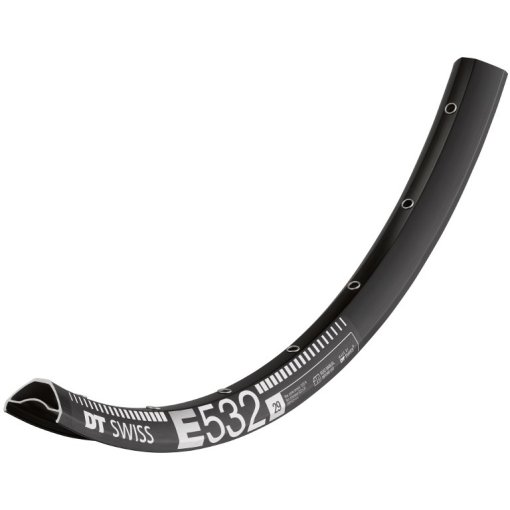
MTB rims are most commonly available in 27.5 inch and 29 inch sizes. With around 30 mm internal width, they support 2.35 to 2.5 inch tires for more grip, control, and cornering stability. Asymmetric rim profiles help balance spoke tension and improve durability. Aluminum rims dominate mountain biking because they handle impacts well and are easier to repair. Carbon rims appear mainly in XC and performance setups where lower weight and higher stiffness are priorities.

Gravel rims

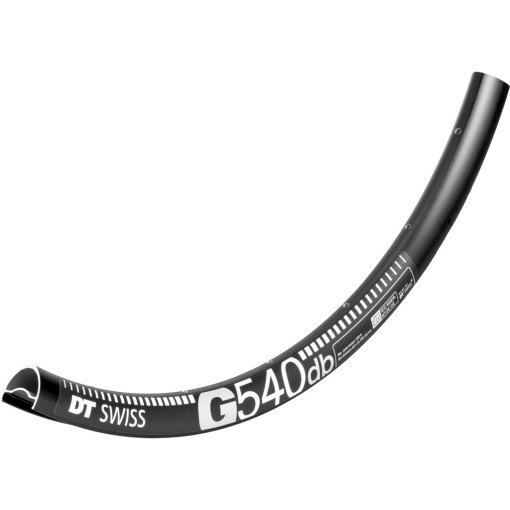
Gravel riders typically choose 27.5 inch or 29 inch rims. Internal widths of 21 to 28 mm work well with everything from slick road tires to 50 mm gravel tires, giving you flexibility across different surfaces. Carbon rims with depths of 35 to 50 mm help maintain speed on pavement while remaining stable on rough terrain. Aluminum rims offer durable versatility for mixed riding, while carbon rims combine low weight with aerodynamic efficiency for long gravel rides.

Other rims (touring, city, e-bike)

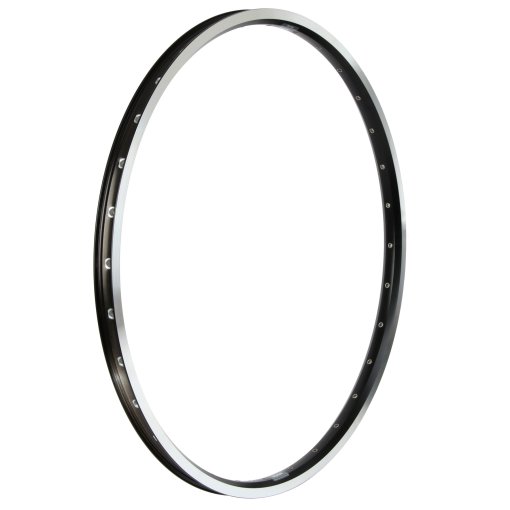
For touring and city bikes, durability and reliability come first. 28 inch aluminum rims with 32 or 36 spokes are a proven choice for commuting, everyday riding, and loaded tours. E-bikes need reinforced rims that can handle higher system weights. Heavy-duty models may support system weights up to 150 or even 180 kg. Alongside the standard 28 inch size, smaller rims such as 20 or 24 inch are common on folding bikes and cargo bikes. Both rim brake and disc brake rims are available, though durable aluminum rims are the most common choice in this category.

Choosing the right bicycle rim

Start by making sure the rim size matches your frame and fork. From there, your riding style and wheel build determine which rim works best for your setup. Rim construction and compatibility also affect how your wheel rides and performs. On road bikes, weight and aerodynamics are usually the priority. On MTBs, strength and internal width matter most. Gravel rims aim to balance efficiency on pavement with stability on rough terrain.


What rim size do I need for my bike?

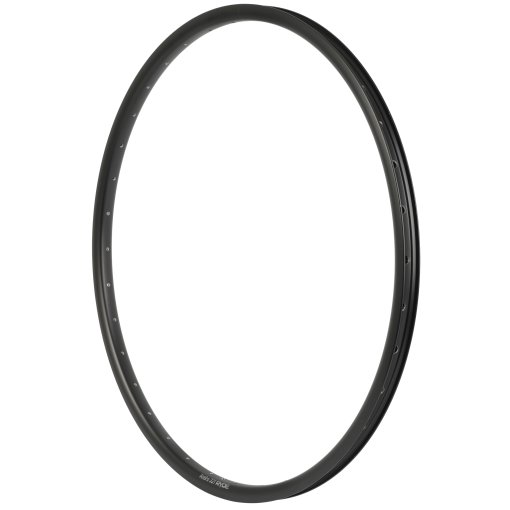
The most common MTB standard today is 29 inch (622 mm ETRTO). Road bikes and gravel bikes use the same rim diameter, usually referred to as 28 inch or 700C. The 28 inch size is also common on touring and city bikes. In enduro and downhill riding, 27.5 inch (584 mm) rims are popular. This size is also known as 650B and sometimes used on gravel bikes. Some setups combine wheel sizes, such as 29 inch in the front and 27.5 inch in the rear, often called a mullet setup. Older MTBs and some city bikes may still use 26 inch rims. Folding bikes and cargo bikes often run 20 inch or 24 inch rims.

Does the brake type matter when choosing a rim?

Rims for disc brakes don’t need a braking surface. This allows lighter and often more aerodynamic rim profiles, which is why disc brake rims are now standard on most MTBs, road bikes, and gravel bikes. Rims designed for rim brakes have a reinforced braking surface that can better handle heat from braking. They’re still common on older road bikes and MTBs and occasionally found on newer city bikes. Carbon rims for rim brakes often use special brake track coatings and require compatible brake pads. Disc and rim brake rims are not interchangeable, so always check which brake type your frame and bike use.

How important is the spoke hole count on a bike rim?

The spoke hole count must match your hub and influences both strength and weight. MTB rims often use 32 spoke holes. For heavy loads – such as touring bikes with luggage or gravity riding – 36 spokes can provide additional strength and durability. Road bike rims typically use 20 to 24 spokes, which helps save weight. More spokes increase strength and lateral stiffness, while fewer spokes reduce weight. For 29 inch MTB rims, at least 28 spokes are usually recommended.

Aluminum or carbon - which rim material is right for me?

Aluminum rims are more affordable, durable, and better at absorbing impacts. In the event of a hard hit, they’re more likely to bend than crack. That makes them a strong choice for trail riding, enduro, and everyday use. Carbon rims are lighter and stiffer, with aerodynamic advantages on the road. They’re often used in racing, XC riding, and weight-focused performance setups.

Tubeless, clincher, tubular, or hookless - which rim type do I need?

Tubeless-ready rims are now the standard for performance bikes. They’re designed to seal easily with tubeless tires and sealant but can also be used with clincher tires and inner tubes if needed. Tubular rims (for glued tires) are now mostly limited to professional road racing and cyclocross. Hookless rims are a special type of tubeless rim with straight inner sidewalls. They can offer aerodynamic benefits but require compatible tires and are limited in maximum tire pressure. Clincher rims are the most affordable option and are still commonly found on everyday bikes that use tires with inner tubes.

What internal rim width do I need for my tires?

The internal rim width determines which tire widths fit best and how the tire sits on the rim. On road bikes, internal widths of 19 to 23 mm are common. Gravel rims usually range from 21 to 28 mm, while MTB rims typically start at around 30 mm. A wider rim supports the tire better, which can improve grip and reduce the risk of burping when running tubeless setups. Manufacturers usually provide ETRTO recommendations for compatible tire widths. You should also consider the tire clearance of your frame and fork when choosing your rim.

Do I need a rim with eyelets?

Eyelets – small metal inserts around the spoke holes – help distribute spoke tension more evenly across the rim. They can be beneficial for high loads, such as touring with luggage or riders with higher system weights. Many modern rims, especially those made from advanced aluminum alloys or carbon, are designed to work reliably without eyelets thanks to optimized rim construction. On rims without eyelets, nipple washers help prevent the spoke nipples from pressing into the rim material during tensioning.


Shop bike rims at BIKE24

The right rim influences how your bike rides: how quickly it accelerates, how precisely it corners, and how confidently it handles hard impacts. Choosing the right model can transform your wheelset – whether you’re aiming for maximum speed or long-term durability. At BIKE24, you’ll find carbon deep-section rims for race setups as well as durable aluminum rims for demanding trails from brands like DT Swiss, Mavic, Duke, Newmen, Ryde, and many more. Thanks to strong product availability, you don’t have to delay your wheel upgrade – you can start building your wheelset as soon as the parts arrive. Not sure about internal width, spoke hole count, or tubeless compatibility? Our customer service team is happy to help you find the right rim for your setup. Looking for help with wheel maintenance? Our wheel truing guide explains how to get your wheel running straight again.

And because a great wheel requires more than just a rim, you’ll also find bike hubs and spokes and nipples at BIKE24 - everything you need for your custom wheel build.