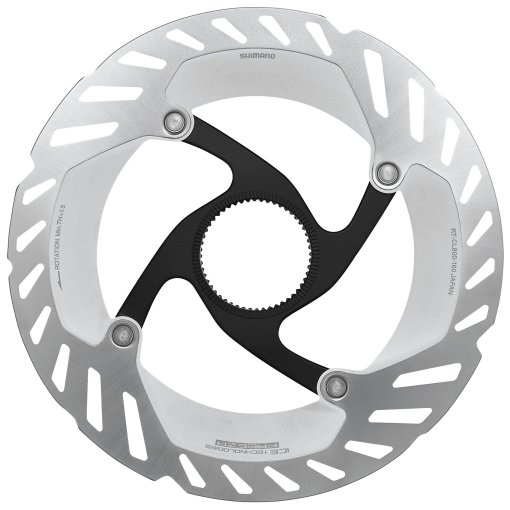
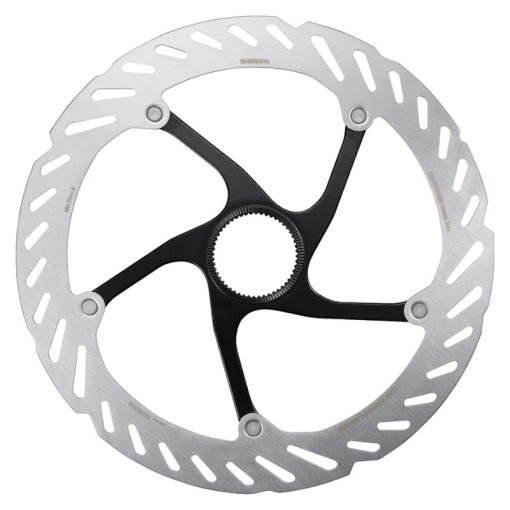
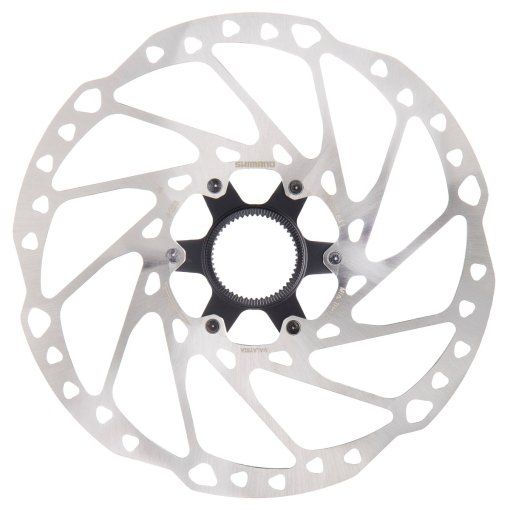
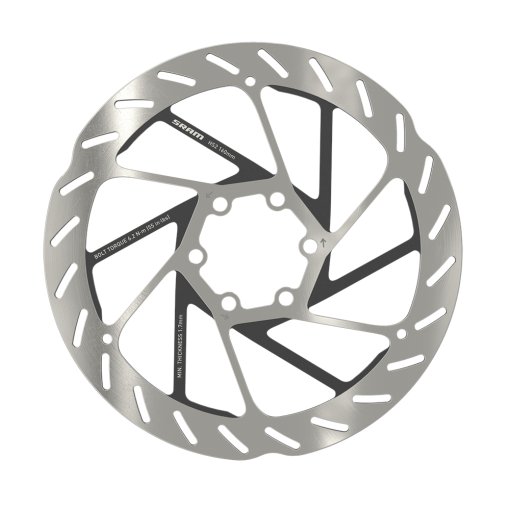
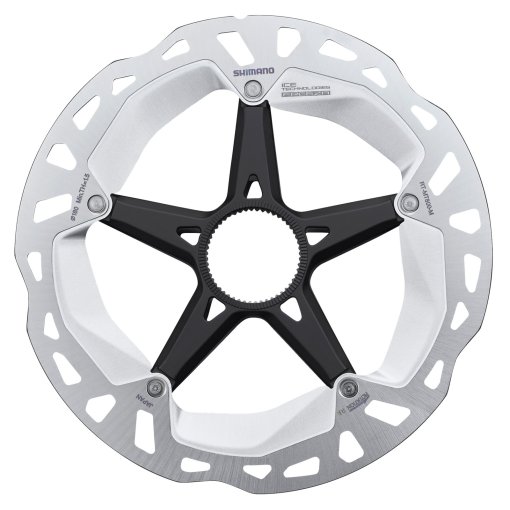
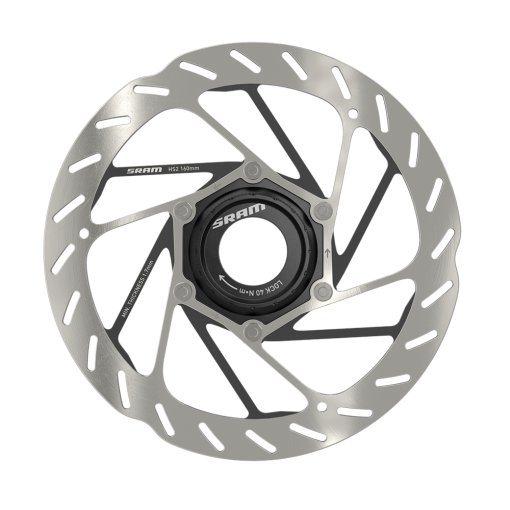
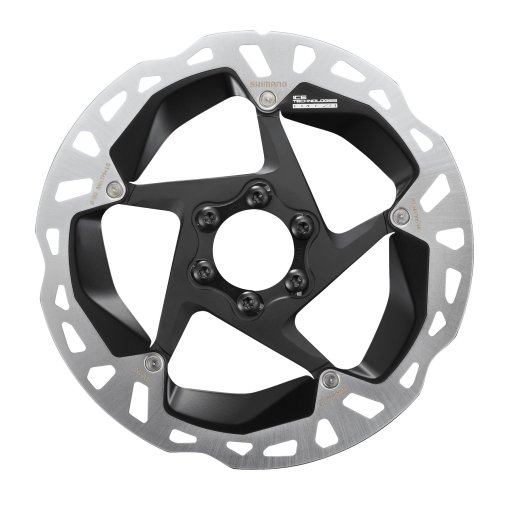
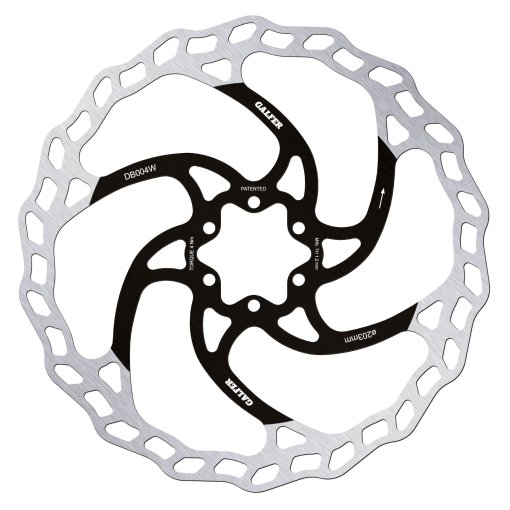
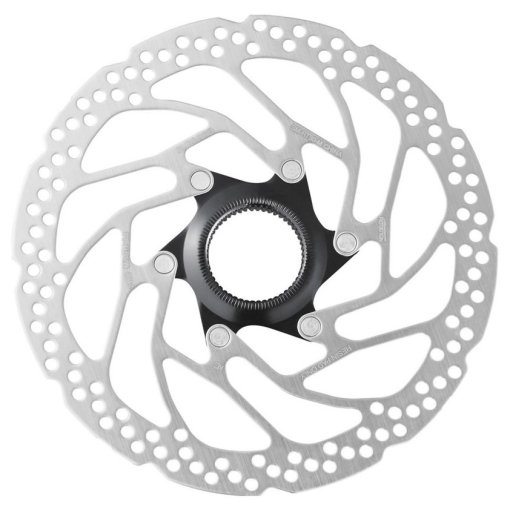
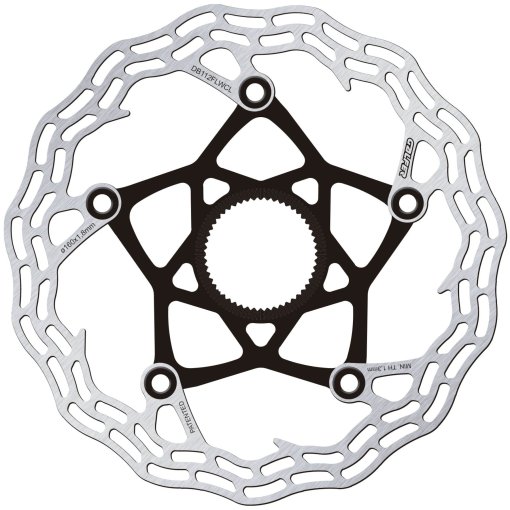
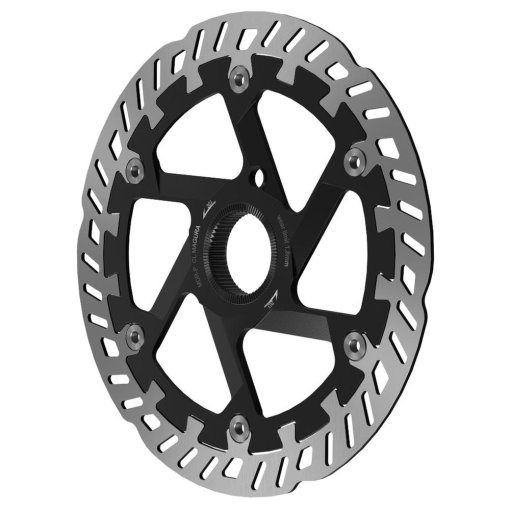
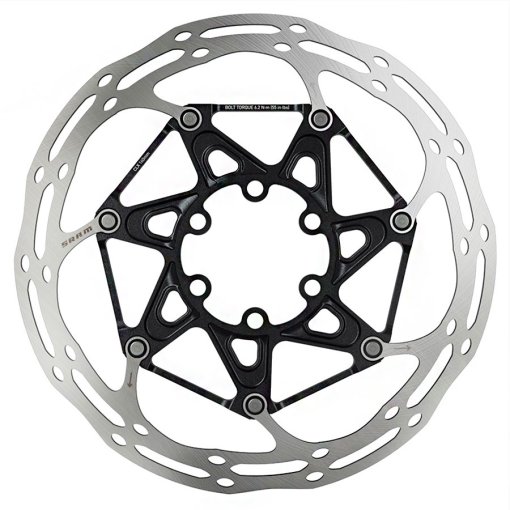
Shop bike rotors at BIKE24
When braking performance matters, your rotors make the difference. Together with your brake pads, they control how much braking power you get at the lever, how precisely you can modulate it, and how well your disc brakes handle heat on long descents. At BIKE24, you’ll find disc brake rotors for every setup – from durable MTB rotors to lightweight road and gravel bike rotors, plus reinforced models for e-bikes. Choose from Center Lock or 6-bolt, in sizes from 140 to 220 mm, from top brands like Shimano, SRAM, and Magura.
Why upgrading your bike rotor makes a difference
When braking performance matters most, your rotor keeps everything under control.
- Consistent braking power: Fresh bike brake rotors provide stable friction for controlled, precise braking.
- Heat management: Quality bike rotors dissipate heat quickly, helping prevent fade on long descents.
- Full compatibility: Center Lock or 6-bolt, 140 to 203 mm – options to match your hub and brake caliper.
Bike rotor types at a glance
Not all bicycle brake rotors are built for the same job. Depending on how you ride, you’ll need different sizes, constructions, and materials. For aggressive riding and long descents, braking power and heat management are key. On lighter setups, weight and smooth performance matter more. And for heavy loads or e-bike use, rotors need to stay stable under continuous stress. These differences show up in rotor size, design, and construction.
MTB disc brake rotors
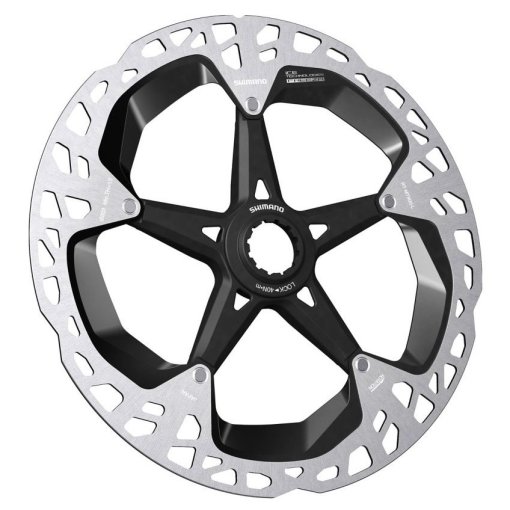
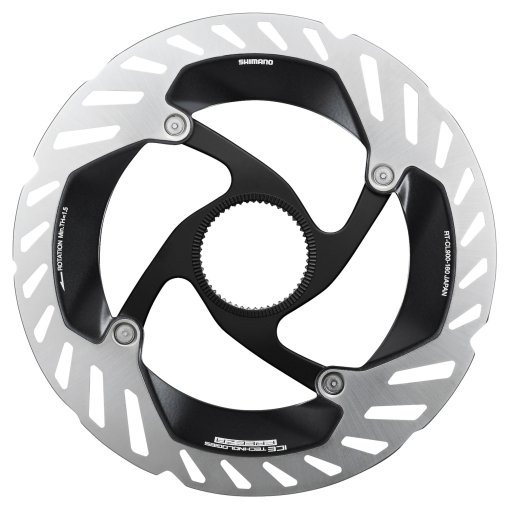
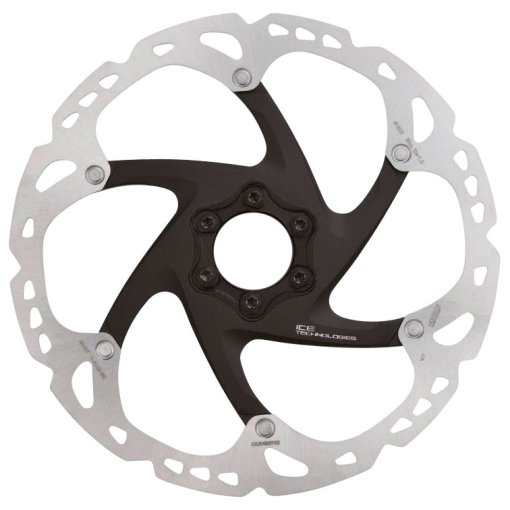
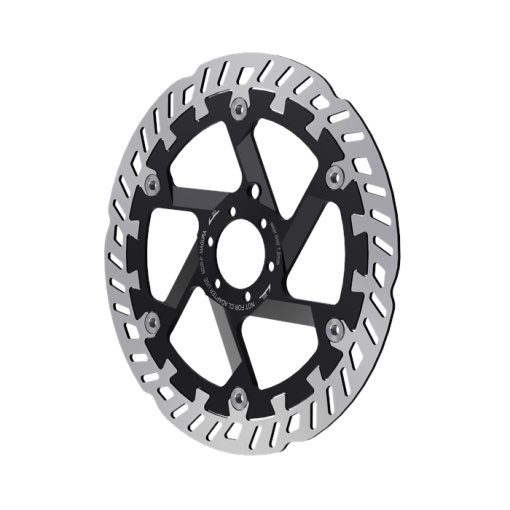
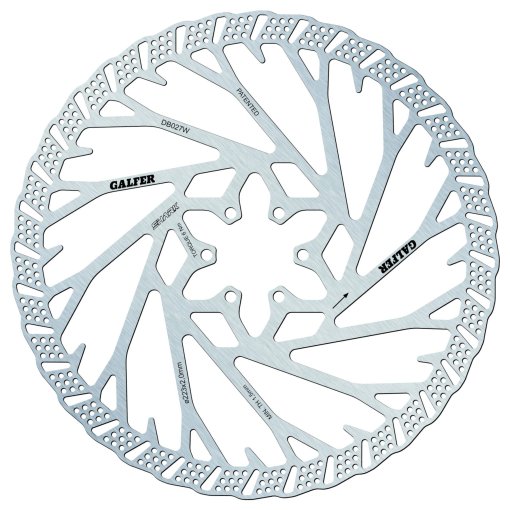
Mountain bikes benefit from larger rotors. Sizes like 180 or 203 mm deliver more braking torque and better heat capacity on steep trails. For gravity riding and e-MTB setups, 220 mm is often the better choice – the larger diameter increases leverage and gives you more thermal reserves on long descents. Two-piece designs such as Shimano Ice-Tech or mountain bike rotors with an aluminum spider reduce weight and improve heat dissipation. For mounting, choose between 6-bolt and Center Lock. Both are common in MTB – the right option depends on your hub. For demanding use in bike parks or enduro riding, heavy-duty rotors with increased thickness (e.g. 2.0–2.3 mm) add stiffness and handle heat more effectively.
Road and gravel bike rotors
Road setups typically run 160 mm at the front and 140 mm at the rear – or 160 mm front and rear. A larger front rotor improves heat stability and keeps braking performance consistent on long descents. Gravel bikes usually run 160 mm front and rear. The larger size gives you more braking control with added weight from bikepacking gear and better performance on loose terrain. In both cases, the focus is on rotors that balance low weight with consistent braking under sustained load. Center Lock is the standard mounting system for both road and gravel bikes.
E-bike rotors
E-bikes put significantly more load on the braking system due to motor support and higher system weight, especially with frequent acceleration and braking. That’s why larger, heat-optimized rotors are essential. 180 mm is the minimum, while 203 or 220 mm gives you noticeably more heat capacity on long descents. E-bike-specific rotors use increased thickness and heat-resistant designs to deliver consistent, low-vibration braking performance, even under sustained load.
How to choose the right bike rotor
Rotor size, mounting standard, construction, and compatibility with your hub and brake caliper all matter when choosing the right setup.
What rotor sizes are there?
Common sizes range from 140 to 160 mm on road and gravel bikes. MTB setups typically use 160, 180, or 203 mm, while gravity and e-MTB bikes often run 220 mm. You can usually find your current rotor size printed or engraved directly on the rotor. A larger rotor increases leverage and heat capacity. That means more braking power with the same hand force and more consistent performance on long descents. If you want to run a larger rotor, you’ll need a compatible adapter. Always check whether your frame and fork are approved for the larger size.
Center Lock or 6-bolt – what’s the difference?
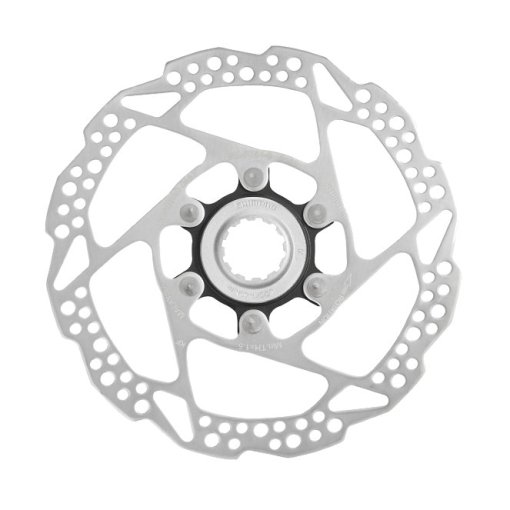
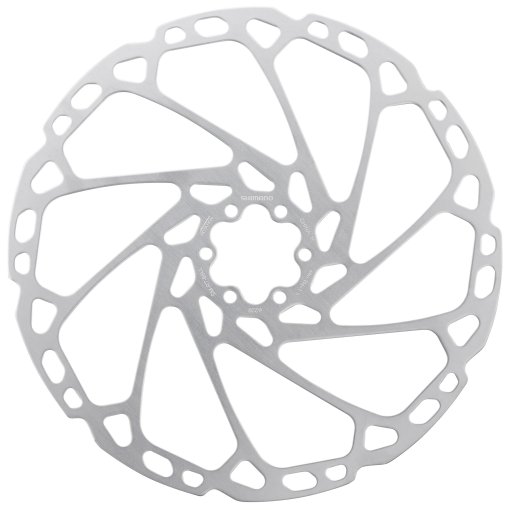
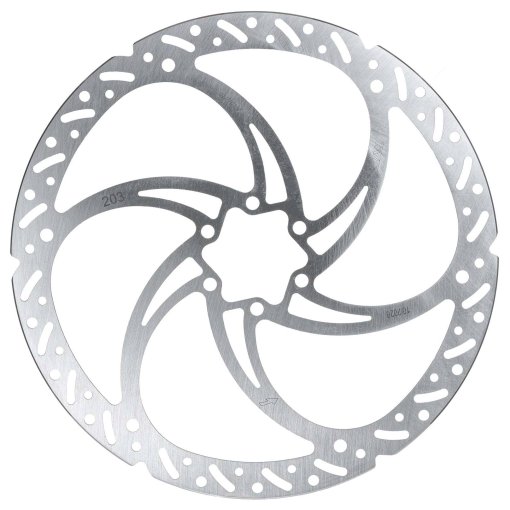
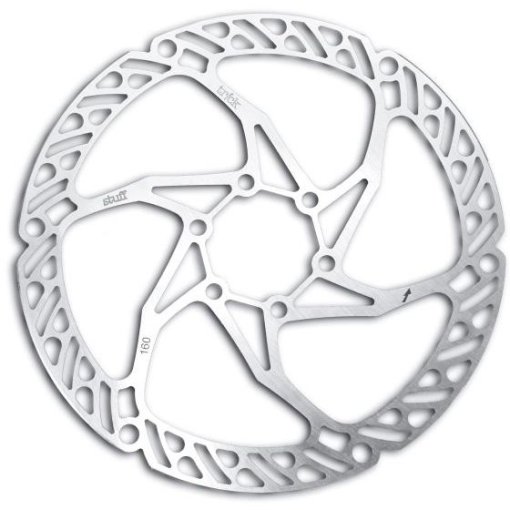
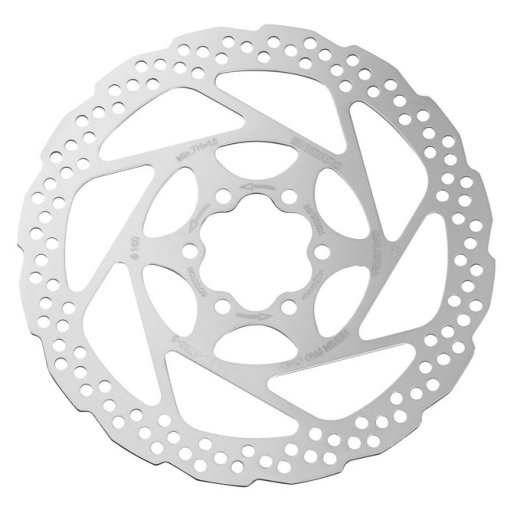
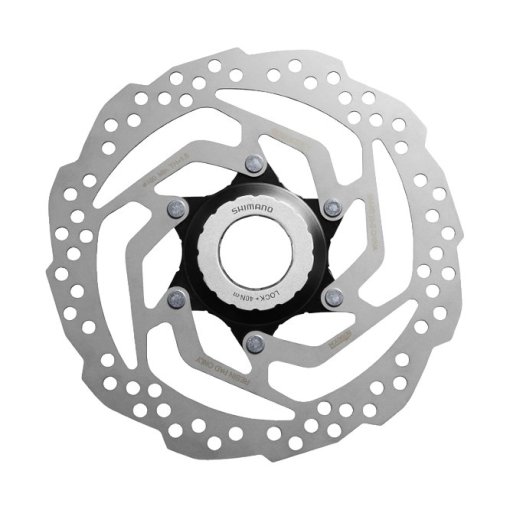
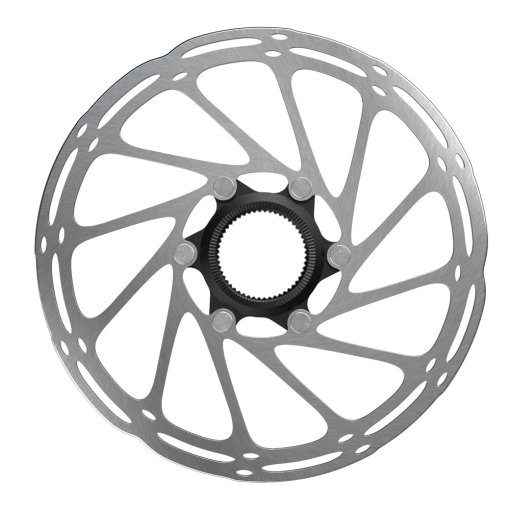
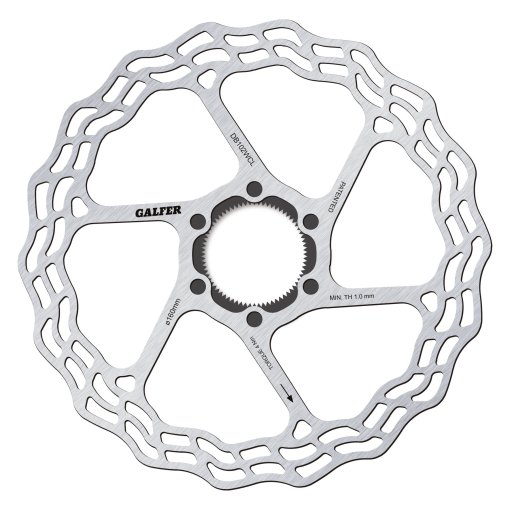
The mounting standard depends on your hub. Center Lock uses a splined interface without visible bolt holes, while 6-bolt rotors attach with six bolts around the hub flange. Center Lock is standard on most road and gravel bikes, while 6-bolt remains common on mountain bikes. Adapters let you mount a 6-bolt rotor on a Center Lock hub, but it’s usually best to stick with your current standard.
Which rotor design is right for my bike?
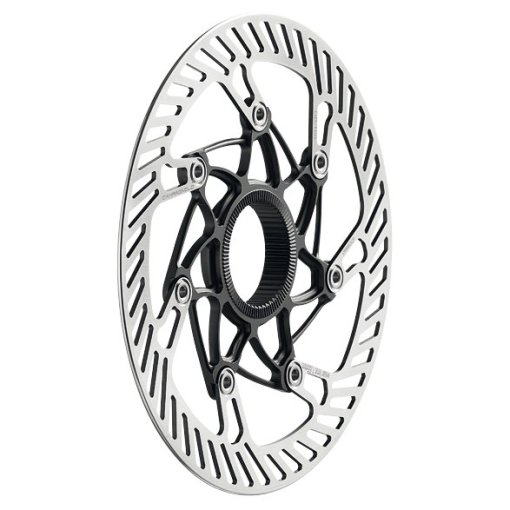
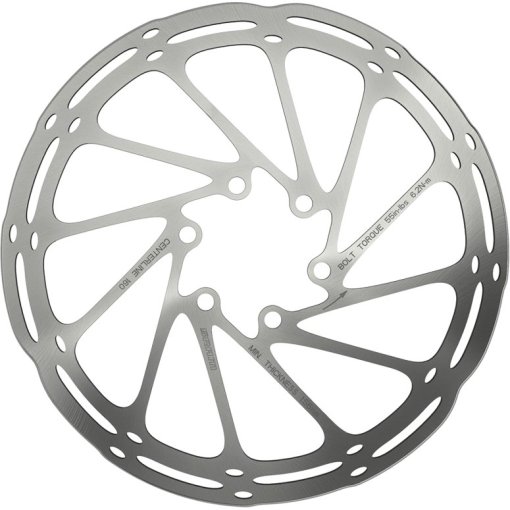
One-piece rotors are made entirely from stainless steel. They’re durable and cost-effective, making them a solid choice for everyday use. Two-piece rotors combine a stainless steel braking surface with an aluminum or steel carrier (spider). This reduces weight and improves heat management. Floating rotors take it a step further. The braking surface and spider are designed to expand independently under heat, helping prevent warping. This keeps braking performance consistent, even on long descents.
When should I replace my bike rotor?
If your rotor drops below the manufacturer’s minimum thickness – often 1.5 mm – it needs to be replaced. Many rotors have this printed on them. Visible grooves, discoloration, or a drop in braking performance are also clear warning signs. When replacing a rotor, it’s best to install new brake pads at the same time, since old pads are worn to match the previous rotor surface.
Do I need an adapter for a larger rotor?
Yes. If you change rotor size, the brake caliper needs to be repositioned using the correct disc brake adapter. Without the right disc brake adapter, the caliper won’t align properly with the rotor.
Shop bike rotors at BIKE24
Whether you’re replacing a worn rotor, upgrading for more braking power, or building a complete brake setup, you’ll find brake rotors from Shimano, SRAM, Magura, Galfer, and Trickstuff in all sizes, mounting standards, and designs. We ship fast, so your setup is ready for your next ride. Want to install your new rotor yourself? Our upgrade guides walk you through Center Lock and 6-bolt installation, as well as how to bed in your rotors and brake pads properly.